
October 9, 2026
Bonus Content: Hurricane Isaias Nears Landfall Tonight. What to Do With Energy and Insurer Stocks Before the Close.
You won’t believe what I’ve been seeing almost every Monday at 9:30am.
For 20 years, I’ve been watching the markets.
Seen every pattern you can imagine.
But this one still blows my mind.
Almost every Monday morning… Right when the bell rings…
Certain stocks start doing things that shouldn’t be possible.
Little companies nobody’s heard of…
Have suddenly rocketed 100%… 200%… sometimes 500%.
All on the same day.
Past performance doesn’t indicate future results. And all trading carries risk, of course…
But after years of tracking this anomaly…
There are 4 specific things that happen before these Monday explosions.
And when I see all 4 together?
That’s my cue.
I’ve automated the whole process now.
My scanner watches thousands of stocks every Monday…
Hunting for those 4 signals.
When it finds them… you’ll know immediately.
Because Monday mornings could become your favorite time of the week.
See the Monday pattern that’s been hiding in plain sight
Tim Bohen
Hurricane Isaias Nears Landfall Tonight. What to Do With Energy and Insurer Stocks Before the Close.
Hurricane Isaias comes ashore late tonight or early Saturday near the Alabama-Florida state line, likely between Gulf Shores, Alabama, and Pensacola, Florida. Forecasts suggest it could come ashore as a strong Category 1 or weak Category 2 storm. The question for traders is not whether to pay attention. It is what to actually do in the next few hours.
Market Snapshot
Energy markets were already moving before today’s session opened. WTI jumped roughly $4 per barrel Thursday on the Gulf shut-in news, compounding gains from Middle East supply concerns. Refiners and insurers are the two groups that need a decision before Friday’s close.
Stocks in Focus
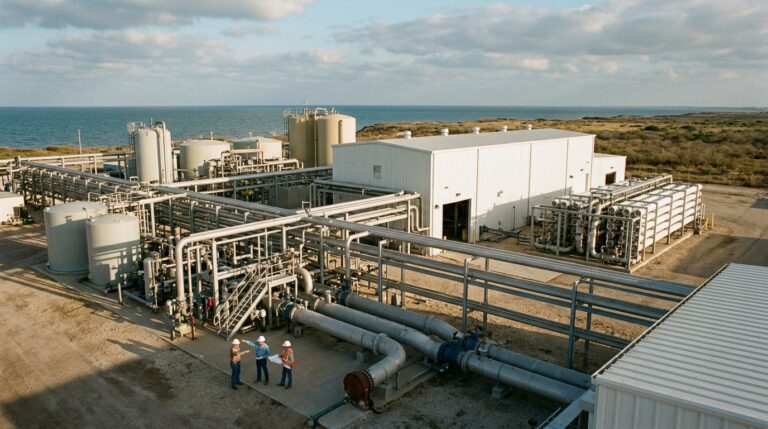
Refiners: MPC, VLO, PSX, XOM. The actual size of this event for fuel markets depends less on offshore platforms and more on what happens to onshore refining. Nearly 500,000 barrels a day of refining capacity sits in Isaias’ projected path, and US refineries are already running flat out to compensate for war-driven outages overseas. Fuel inventories that normally act as shock absorbers have already been drawn down, and the Strategic Petroleum Reserve sits at its lowest level since 1982.
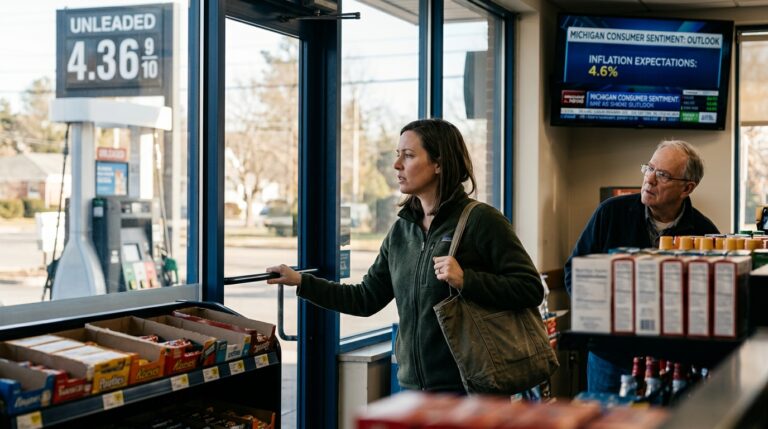
The largest single facility at risk is Chevron’s Pascagoula refinery in Mississippi, capable of processing roughly 369,000 barrels a day. Smaller assets including Vertex Energy’s 88,000 b/d Mobile, Alabama plant are directly in the storm’s track. GasBuddy’s head of petroleum analysis said flooding could take refineries offline for up to 10 days. With diesel running at about $6.29 a gallon and gasoline at about $4.35, even a partial, short outage lands on consumers who are already stretched. Marathon Petroleum, Valero, and Phillips 66 carry meaningful Gulf Coast exposure and are worth watching at the open Monday, when the damage picture starts to clarify.
Offshore production. The Marine Minerals Administration confirmed Thursday that 62.9% of daily Gulf oil output, or 1.28 million barrels a day, has been shut in along with 57.4% of natural gas production. Shell evacuated five platforms including Mars, Olympus, and Ursa. BP pulled personnel from Na Kika and Thunder Horse. Consulting firm Earth Science Associates estimates approximately 9 million barrels of cumulative Gulf production could be lost across the storm’s duration. That number restarts once facilities are inspected. History suggests that process takes days to weeks depending on infrastructure damage.
Insurers: CB, TRV, EG, RNR. Reinsurance broker Gallagher Re put insured losses at the low- to mid-single-digit billions of dollars, consistent with historical Category 1 and 2 landfalls along this stretch of coastline. BMS Group was more specific, estimating $3 billion to $5 billion based on catastrophe model output and comparisons to Hurricane Sally. Moody’s flagged 31,659 commercial properties in Alabama, Florida, and Mississippi with greater than 50% probability of facing damaging winds, with a combined estimated value of $71.8 billion. Gallagher Re added that ample reinsurance capital makes a material impact on January 1 renewal discussions unlikely, which is a modest cushion for names like RenRe and Everest. The primary carriers with Gulf Coast homeowner and commercial exposure carry more direct near-term event risk.
Sector Watch
Energy is the sector to watch into the weekend. The storm’s track east of New Orleans spares the most concentrated refining corridor in Louisiana, but the Alabama-Mississippi zone still holds meaningful capacity. Insurers face a cleaner binary: the loss estimate range is bracketed and reinsurance capital is ample, so the sector selloff may overshoot if Isaias weakens before landfall as wind shear models suggest.
Risk Radar
- Refinery flooding. Storm surge could reach 5 to 7 feet along the coast. Coastal refinery facilities are most exposed to sustained water intrusion, not wind alone.
- Extended outage duration. Even after a Category 1 or 2 hurricane, refineries have historically needed close to a week to return to normal operations. A 10-day outage in the current inventory environment would push product prices sharply higher.
- Weekend gap risk. Positions held into the close today carry two days of news flow before markets reopen Monday. Damage assessments will be running all weekend.
The Cheat Sheet
Top Theme: A hurricane makes landfall tonight or early Saturday with US fuel markets carrying almost no inventory buffer and refiners running at maximum capacity.
Stock to Watch: Marathon Petroleum. Gulf Coast refining exposure, tight inventories, and a storm track that intersects its operational footprint.
Sector to Watch: Energy, specifically refining. Offshore shut-ins restart relatively quickly. Flooded refineries do not.
Biggest Risk: A slow-moving storm that drops 15 inches of rain on coastal refinery facilities and extends outages well past the initial weekend.
Biggest Opportunity: Insurers oversell on a loss estimate that the reinsurance market has already said is unlikely to move capital meaningfully. Watch for a Monday recovery in names with strong reinsurance protection.
One Thing to Remember: Landfall track matters less than flood duration. If Isaias stalls, every day it sits over Gulf Coast infrastructure multiplies the refinery downtime and the insured loss count.