
October 29, 2026
Bonus Content: Nvidia Fell While the Nasdaq Rose. That Gap Is the Risk.
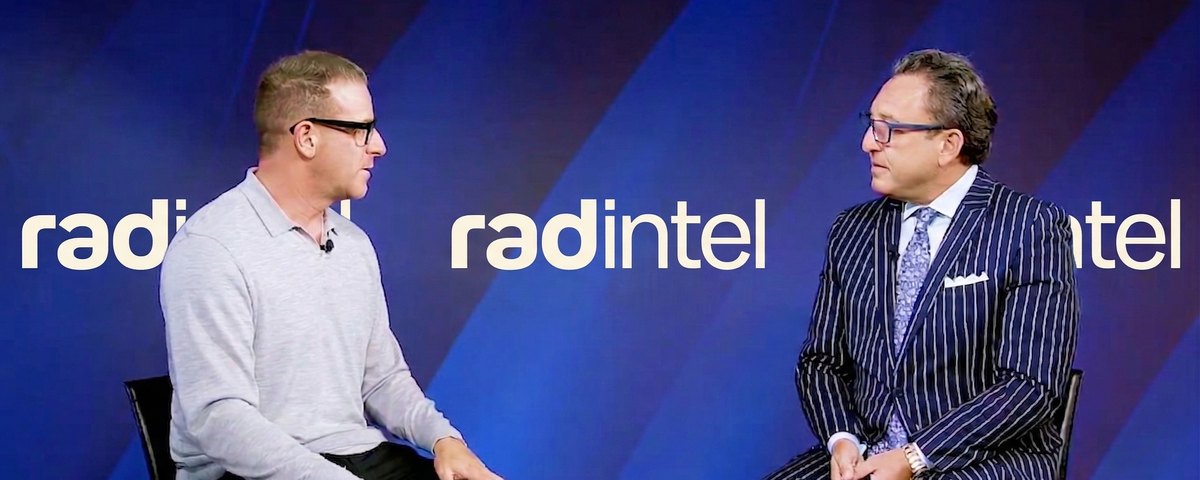
9 creators. 9 hits. Then a $250k follow-on.
A top 5 movie studio came back with $250k more.
Studios rarely spend twice on a guess. This one came back. Multiple seven-figure contracts with Fortune 1000 brands.
Across RAD Intel’s portfolio, sales contracts grew 10X from 2025 to 2026.
Current allocations remain limited.
RAD Intel’s Regulation CF round is now open to all investors.
P.S. Limited allocations remain in the current investment round. The offering page lays out the details, risks included. Learn more to invest →
Regulation CF · now open to investors
This is a paid advertisement for RAD Intel made pursuant to Regulation CF offering and involves risk, including the possible loss of principal. Past performance is not a guarantee of future results. Please read the offering statement and related risks at invest.RADIntel.ai.
Nvidia Fell While the Nasdaq Rose. That Gap Is the Risk.

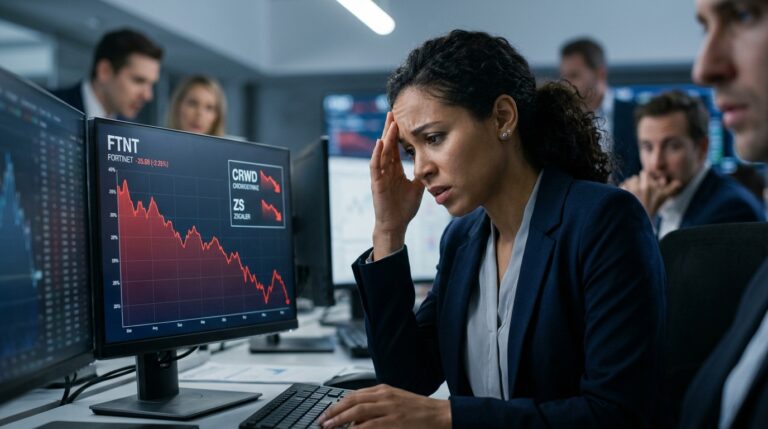
NVDA closed Wednesday at $215.38, down 1.17% on a day the Nasdaq finished higher. The proximate cause was a Reuters report, later picked up by other outlets, that the U.S. Department of Justice has made inquiries about how Nvidia’s $12.93 billion acquisition of Hugging Face could impact competition in artificial intelligence. The divergence from the broader market is worth flagging on its own: this was not a sector selloff. It was a company-specific discount applied to a stock already down roughly 10% from its October 6 all-time closing high of $239.24.
The core regulatory question is about control of distribution, not chip dominance. Justice Department officials have asked whether the deal would let Nvidia capture a fundamental distribution point for AI. Hugging Face runs a widely used, open-source platform for hosting and testing AI models, and sells infrastructure and collaboration tools to the tech industry. At the time of the deal, Nvidia said more than 18 million developers, researchers and creators used Hugging Face to share more than 3 million models and 500,000 datasets, and that more than 200,000 companies used the platform. Owning that platform is categorically different from selling GPUs, and the DOJ knows it.
Nvidia’s position is that ownership changes nothing for competitors. Nvidia has said Hugging Face would keep its brand and remain an open platform, and that Nvidia hardware would not be required to build on or deploy through it. Jensen Huang reiterated that framing at the September 3, 2026 announcement. Regulators are not convinced the contractual assurance is sufficient.
What makes this more complicated for traders is that the inquiry is not a standalone event. The inquiry extends a years-long DOJ probe of Nvidia’s conduct that began under President Biden and has continued under President Trump. Alongside Hugging Face, DOJ staff have also been looking at Nvidia’s December 2025 acquisition of SchedMD and its 2025 deal with Groq, where Nvidia licensed Groq’s technology and hired some of its engineers instead of buying the company outright. The Hugging Face deal is the newest thread in a much longer investigation.
Any enforcement action could reverberate across the semiconductor industry and test the investment and acquisition strategy that has widened Nvidia’s influence in AI. That is the overhang the market is pricing: not a single deal blocked, but a blueprint disrupted.
What Traders Should Watch
- The $214 level. Wednesday’s intraday low touched $214.47. After-hours trading later traded below $215. A clean break below $214 on volume puts the stock in territory not held since late October, with limited technical support before the $210 area.
- AMD as the read-through. Any DOJ action could impact the AI chip market, where Nvidia is the dominant supplier, amid rising competition from Broadcom, Google, and AMD. AMD benefits if the market concludes Nvidia’s acquisition strategy is constrained. Watch whether AMD gains relative strength against NVDA in Thursday’s session.
- Deal timeline risk. Because the transaction is not expected to close until the first half of 2027, regulators have time for an extended review. That means this overhang does not resolve quickly. It is a multi-quarter uncertainty, not a one-day event.
- Broader DOJ scope. The Justice Department’s recent questioning covers Nvidia’s acquisitions, investments, sales practices, and whether the chip designer has exerted pressure on its customers. If further details of that broader probe emerge, the market reaction could be sharper than what Wednesday’s 1.17% decline suggests.
The Bottom Line
Nvidia’s fundamental business remains intact. According to 62 analysts polled by S&P Global, the average rating for NVDA stock is “Strong Buy.” But the antitrust overhang now layered onto the acquisition strategy is a different category of risk than export controls or competition from AMD. It targets how Nvidia grows, not just how it sells. For traders, that distinction matters when sizing positions ahead of a DOJ process that could run well into 2027.