By Neil J Kanatt and Alexander Marrow
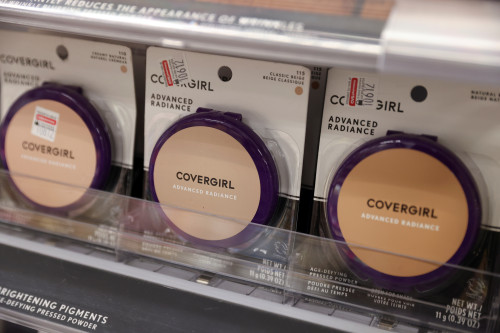
Feb 5 (Reuters) – CoverGirl owner Coty withdrew its full-year guidance on Thursday as it launched a strategic focus on core brands, with new interim CEO Markus Strobel calling for improved discipline and execution to turn around sluggish financial performance.
Strobel, a Procter & Gamble veteran who took over from Sue Nabi on January 1, faces a tough challenge to revive sales, particularly in Coty’s consumer cosmetics division, as competition from newer beauty brands and larger rivals such as L’Oréal intensifies.
Coty’s shares were down about 7% after the bell. They have fallen by around 73% in the past two years.
The company was already concentrating efforts towards its prestige fragrances, initiating a strategic review in September of its consumer beauty division, which could lead to the sale of brands such as CoverGirl and Rimmel, but Strobel is now demanding even sharper focus.
CEO RUES ‘DISAPPOINTING’ FINANCIAL PERFORMANCE
“Our financial performance over the past year and a half has been disappointing, and our current share price reflects that reality,” Strobel said in a statement. “Coty has outstanding assets and capabilities, yet we have not been delivering at the level we should.”
Coty reported a 0.5% year-on-year increase in net revenue for its second quarter, ended December 31, to $1.68 billion, slightly above analysts’ expectations, but said it was anticipating Q3 gross margins to decline by 200 to 300 basis points from the year-ago period.
With advertising spending planned to reignite market share improvement, Coty expects third-quarter adjusted EBITDA to fall to $100-$110 million, well below analysts’ average forecast of $201.6 million in core earnings for that quarter.
The strategic shift — named “Coty. Curated” — is about reducing complexity, CFO Laurent Mercier told Reuters, instilling a “less is more” mindset to drive core businesses and focus on key icons.
“We are going to select … the big ones where we have great assets, where we know that we have the winners, and really reallocate this money on these assets.”
Mercier highlighted Kylie Cosmetics, which has doubled in size in the past three years, as well as long-term licences with Burberry and Marc Jacobs as some of Coty’s best assets.
DEBT AND LEVERAGE AT NINE-YEAR LOWS
The new plan may result in a leaner Coty. One for the chop is its licence with biotech-led skincare brand Orveda, co-founded by Coty’s former CEO Nabi, as the company focuses on “scale, reach and profitability.”
Coty sold its remaining 25.8% stake in hair care brand Wella to KKR for $750 million in December, using most of the proceeds to pay down long-term debt. The company’s net debt to adjusted core earnings (EBITDA) ratio has now reached a nine-year low of 2.7x.
Coty said it may receive additional proceeds from an initial public offering of Wella, which sources told Reuters could happen in the U.S. as soon as this year.
Other headwinds remain. Coty is losing its exclusive Gucci fragrance and beauty licence in 2028 after Kering agreed to sell its beauty business to L’Oréal and ever more inflation-conscious shoppers are turning to affordable cosmetic brands such as Elf Beauty.
(Reporting by Neil J Kanatt in Bengaluru and Alexander Marrow in London; Editing by Alan Barona)