October 22, 2026
Bonus Content: Tesla Recycling Facilities Are Now a Battery Supply Weapon
Most traders have never noticed the weird market anomaly that happens at 9:35 AM every morning.
They’re too busy with lagging indicators trying to predict the next move… when the market makers have already set the tone for the trading day.
It’s this weird anomaly that points us to the market maker’s key levels above and below.
And by playing the move within that range…
Regular folks like you have been able to reach for $100 or more (on a $1K stake) over 600 times in the last 2 years.
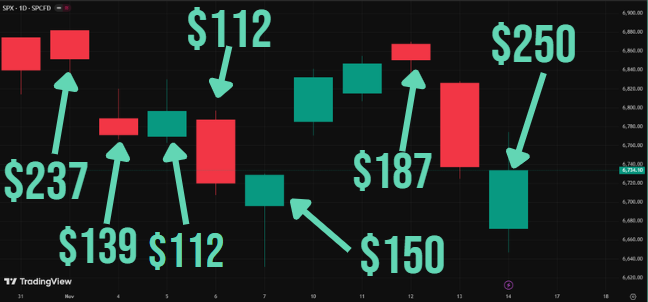
We’ve seen this straightforward approach play out whether the market broke out… broke down… or stayed choppy.
Granted, I can’t make trading guarantees here.
But I’ve opened up the data behind those trades, as well as how you can get in on the very next morning opportunity.
You’ll find the full details right here.
See you in the market.
Chris Pulver
Tesla Recycling Facilities Are Now a Battery Supply Weapon
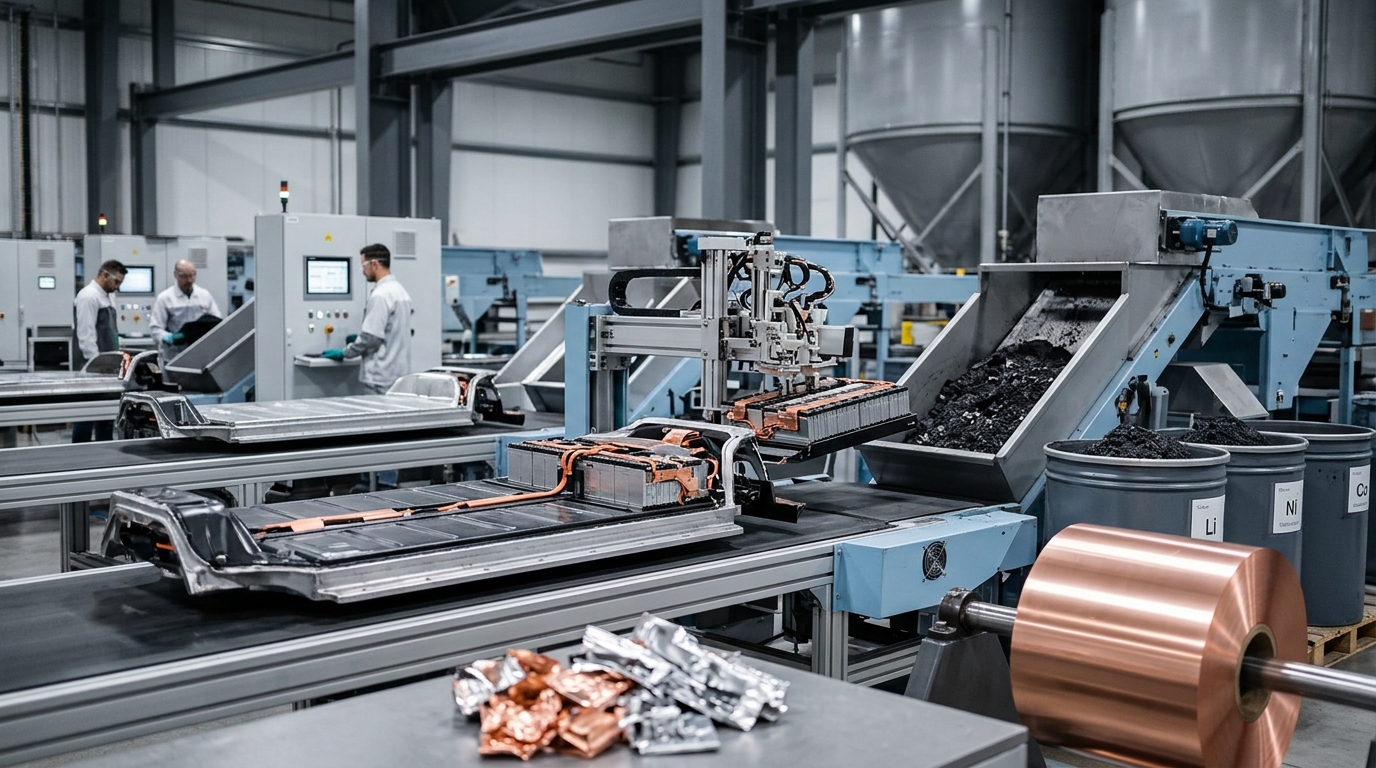
Tesla named battery availability as a binding constraint on vehicle volume in Q2 and Q3 2026. The company wrote in its Q3 2026 update that “battery availability continued to be the limiting factor in increasing auto volumes in the quarter.” That makes what is happening inside Tesla’s recycling facilities directly relevant to production capacity, not just environmental reporting.
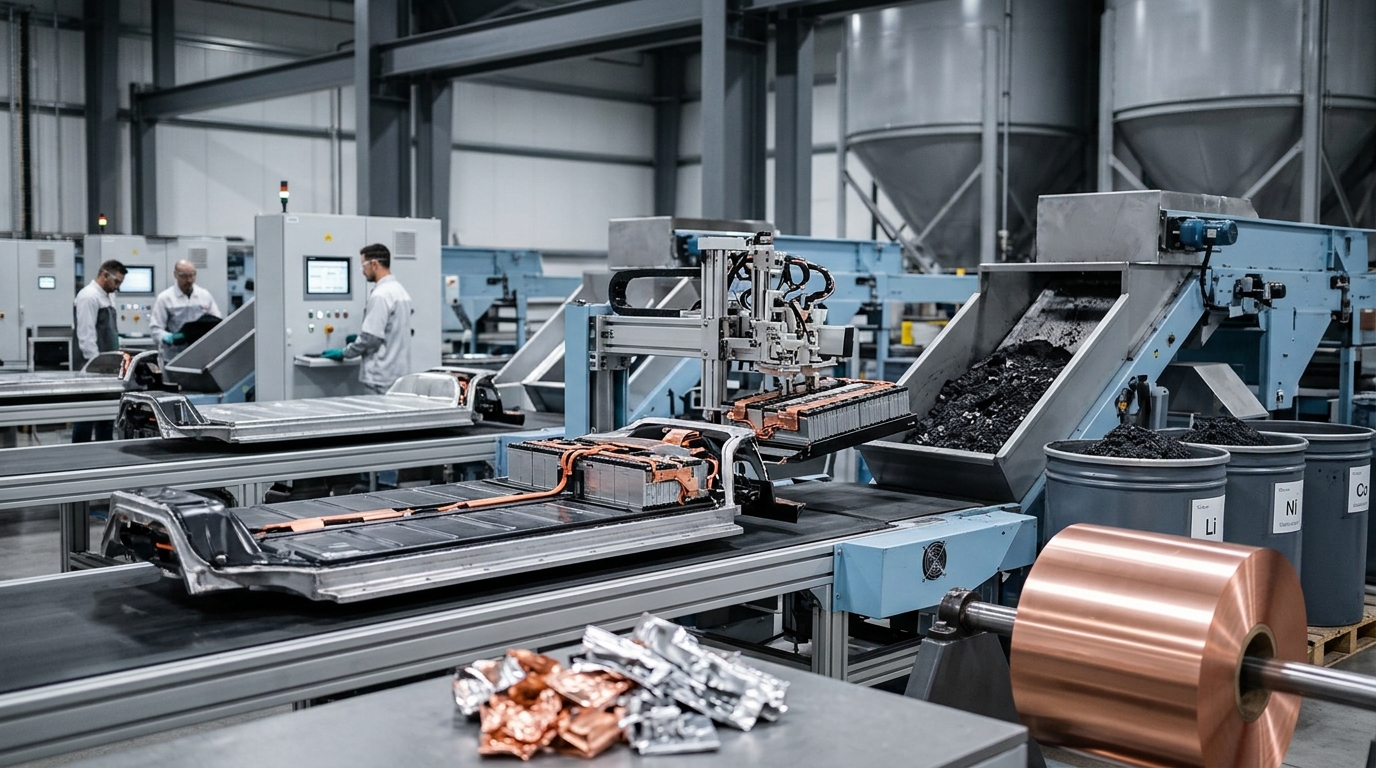
Tesla’s closed-loop approach spans lithium refining at its Gulf Coast lithium refinery, manufacturing of cathode, cell and vehicle at Gigafactory Texas and recycling operations in Nevada and Texas. The architecture is deliberate. Closed-loop recovery means the materials extracted from end-of-life or manufacturing-scrap batteries are refined and fed directly back into new battery production, rather than sold off or discarded.
The volumes involved are no longer negligible. In 2025, Tesla recycled over 14,000 metric tons of battery material through in-house processing and its network of recycling partners, equivalent to the resources needed to produce approximately 46,000 long-range battery packs, a 20% increase from 2024. The upgraded Nevada facility processed nearly 3,000 metric tons of materials in 2025, while the Texas facility is expected to process 3,000 metric tons of manufacturing scrap per year by the end of 2026, using a dry shredding line to produce black mass for reintegration into the supply chain.
The chemistry is where Tesla is trying to pull ahead of the field. Tesla says that across its U.S. recycling operations, it is now recovering more than 90% of key battery materials. Tesla has also highlighted an alkaline leaching approach for lithium refining that avoids sulfuric acid and is designed to reduce steps and emissions versus conventional hard-rock refining, though Tesla has not consistently published a single, company-wide recovery-rate figure for each metal in the recycling stream.
The strategic logic compounds over time. As the installed base of aging Tesla vehicles grows and more packs reach end of service life, the volume of recoverable material only increases. Tesla is essentially building a mine that grows rather than depletes. Batteries are often the single largest cost component in an EV. Any percentage of that sourced from recycled streams rather than spot markets is direct margin protection.
The spot-market alternative to recycled supply is not benign. Lithium prices and the battery-materials complex have been volatile enough to move analyst targets and drag the entire sector in a single session.
Supply disruptions, export restrictions, and shifts in mining region politics can send commodity prices swinging in ways that are difficult for manufacturers to absorb without passing costs to consumers. A company that can source a meaningful share of its battery materials from its own recycling stream gains a degree of insulation from those pressures. With volumes constrained and average selling prices falling, that insulation is not a future benefit. It is being built right now, and the 2026 output from the Texas facility will be the first hard number to watch.