
May 3, 2026
Kraft Heinz Just Quietly Became a Different Company. The Market Hasn’t Caught Up.
After years of write-downs and strategic drift, a leaner Kraft Heinz is generating cash and cutting its way to relevance.
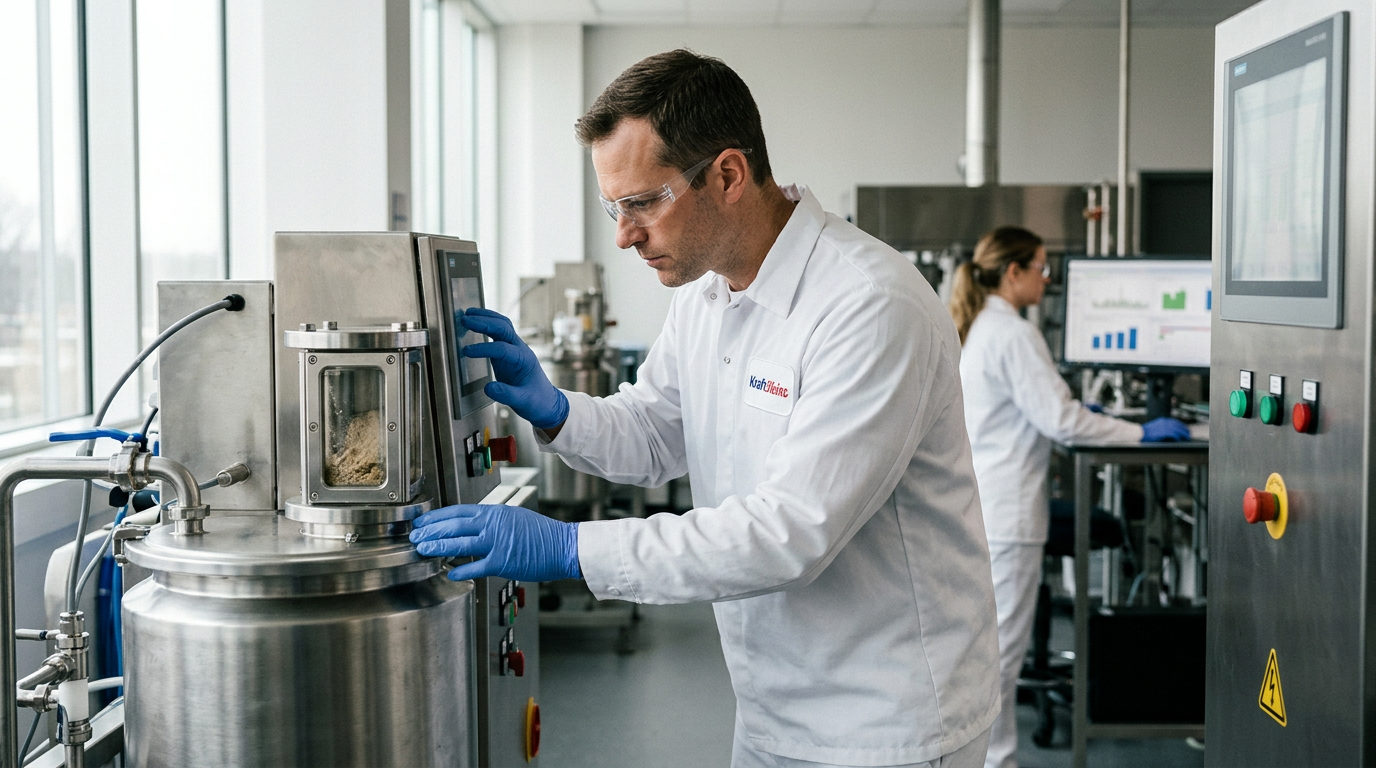
Kraft Heinz (KHC) has been one of the most debated holdings in the Berkshire Hathaway portfolio since the 2019 goodwill impairment that wiped out billions in paper value and effectively marked the end of the 3G Capital cost-cutting era. The stock has traded like a melting ice cube ever since – steady dividend, steady skepticism, and steady outflows from institutional holders who decided the category was terminally challenged.
With Berkshire’s Q1 2026 earnings now in the books, Kraft Heinz remains a top-ten equity holding by market value. And the case for paying attention again is more concrete than it has been in years.
The Business, Stripped Down
Kraft Heinz is not a growth company. It is a cash flow company operating a portfolio of entrenched consumer staples brands – Heinz ketchup, Kraft mac and cheese, Oscar Mayer, Jell-O, Philadelphia cream cheese – that occupy deeply habitual purchase cycles. The strategic question has never been whether people will stop buying ketchup. It has been whether the company can manage its cost structure well enough to protect margins as volumes face pressure from private label and shifting dietary preferences.
The answer, increasingly, is yes – though not in the dramatic fashion that would generate headlines.
5 monitors. Zero distractions. One VR app.
Immersed lets you build a private, distraction-free workspace in VR with up to 5 virtual monitors, no extra hardware needed. Pick a focus environment, plug in, and get more done.
Share price deadline on May 14th, Invest Now
Disclosure: This is a paid advertisement for Immersed Regulation A+ offering. Please read the offering circular at https://invest.immersed.com/
The Numbers That Have Changed the Conversation
- Organic net sales have stabilized after two years of volume erosion, with recent quarters showing pricing power holding better than peers in several core categories
- Adjusted EBITDA margins have improved as the company exits lower-margin product lines and renegotiates supplier contracts
- Free cash flow conversion remains one of the strongest in the packaged food sector, consistently running above 90% of adjusted earnings
- Debt reduction has been methodical – net leverage has declined materially from post-merger highs, reducing financial risk
- Dividend yield currently sits above 5%, supported by free cash flow rather than balance sheet strain
What Has Actually Changed Strategically
The current management team has done something the 3G era never prioritized: investing in brand renovation and selective product innovation. The Philadelphia cream cheese expansion into adjacent categories, the Heinz condiment line extension into hot sauces and flavored variants, and the quiet pruning of SKUs that were diluting manufacturing efficiency have collectively created a more focused operating footprint.
Importantly, the company has also pulled back from the aggressive acquisition posture that created the goodwill problem in the first place. Capital allocation is now oriented toward debt paydown and shareholder returns – a posture that suits the current rate environment and the company’s cash generation profile.
Macro Context
Consumer staples as a sector have underperformed significantly relative to technology and industrials over the past 18 months. That rotation has been driven by the perception that high interest rates make bond-like equities less attractive. As rate expectations moderate through 2026, the relative appeal of high-yielding, defensive cash flow names like Kraft Heinz improves – not because the business accelerates, but because the discount rate applied to predictable cash flows comes down.
Private label pressure remains the most cited risk, and it is legitimate. But Kraft Heinz’s core brands have demonstrated more resilience to private label substitution than mid-tier brands in the category, partly because of the emotional and habitual attachment consumers have to specific products like Heinz ketchup in particular.
Do NOT buy any SpaceX IPO shares until you see THIS
The filing positions the company for a June 2026 listing with a staggering valuation potentially exceeding $1.75 trillion.
But before you go out and load up on as much SpaceX shares as you can, know this:
Tech legend Michael Robinson says there’s a much better way to tap into this massive IPO windfall…without touching a single SpaceX share.
To see the details about this rare opportunity click here now.
Bull / Base / Bear
Bull Case
Organic volume stabilizes and turns modestly positive, margin expansion continues through efficiency programs, and the stock re-rates toward consumer staples peers as rates decline and dividend coverage becomes increasingly obvious to income-oriented institutional buyers.
Base Case
The business generates consistent free cash flow, the dividend is maintained, and the stock delivers low-to-mid single-digit total returns annually – largely in line with its yield. No re-rating, no deterioration.
Bear Case
Volume declines accelerate as private label captures permanent share in core categories, commodity cost inflation returns, and the company is forced to revisit its dividend – triggering a disorderly selloff among yield-focused holders.
KHC Trading Cheat Sheet
Quick-reference snapshot for active traders and investors sizing this position. Not a recommendation – just the numbers worth knowing before you do anything.
Snapshot Stats
- Ticker: KHC – Nasdaq, Consumer Staples
- Dividend Yield: ~7.1% — $1.60/share annual, FCF-supported
- EV/EBITDA: ~7.8x — meaningful discount to staples peers (~10–12x)
- EV/FCF: ~12.2x — reasonable for a cash-heavy compounder
- P/S Ratio: ~1.2x — below peer average of ~1.8x
- 52-Week Performance: –25.5% — significant underperformance vs. broader market
- Beta: ~0.01 — near-zero correlation to market swings
- Short Interest: ~6.4% of float — moderate; some squeeze potential on a catalyst
- Debt / Equity: 0.52x — declining, improving balance sheet profile
- Analyst Consensus: Hold (80% Hold / 20% Sell) — no strong buy coverage; low bar to beat
- Avg. Price Target: ~$24–$26 — consensus implies flat-to-modest upside from current levels
- Piotroski F-Score: 5 / 9 — neutral financial health; not distressed
Key Levels to Watch
- Downside support zone: Low-to-mid $20s – where yield-seeking buyers have historically re-engaged
- Re-rating trigger: Two consecutive quarters of stabilized or positive organic volume growth
- Dividend risk line: Watch FCF coverage ratio; current payout is supported but not bulletproof if volumes slide further
- Macro tailwind signal: Fed rate cut confirmation – narrows the gap between KHC’s yield and risk-free alternatives
Positioning Notes
- For income investors: ~7% yield with FCF backing makes it a legitimate income hold at current levels, provided the dividend is not cut
- For value traders: EV/EBITDA at 7.8x vs. sector average is a genuine discount, but cheap can get cheaper without a catalyst
- For Berkshire watchers: Berkshire has held through the full drawdown without trimming – that’s a data point, not a guarantee
- Risk to size around: Commodity cost inflation (coffee, eggs, meats) and continued private label share capture in core SKUs
Buying Tesla, Apple, Amazon, Bitcoin (or Any other Stock) Is a DEVASTATING Mistake for 2026
Meet Nate Bear (the man who built a multi-million portfolio) by IGNORING 99% of stocks.
Because among the 6,000 stocks on the market to choose from…
Hides ONE very special stock…
What he calls: “The Single Stock Income Plan”
And he’s used it for years (through ANY market condition) to close gains like:
100% in 3 days… 114% in 3 days… And 100% in 24 hours.
And today, he’s revealing everything…
Bottom Line
Kraft Heinz will not be the most exciting position in any portfolio. But Berkshire’s continued ownership of a stock that has lagged the market for years reflects a discipline most investors lose: the willingness to hold a cash-generating business through a period of low enthusiasm and wait for the environment to turn in its favor. With leverage declining, margins stabilizing, and a rate cycle that is beginning to shift, the conditions for a quiet reappraisal of KHC may be closer than the market currently assumes.
For informational purposes only.