October 1, 2026
Bonus Content: Brazil Votes Sunday. Ibovespa Has Best Day Since Sep 10.
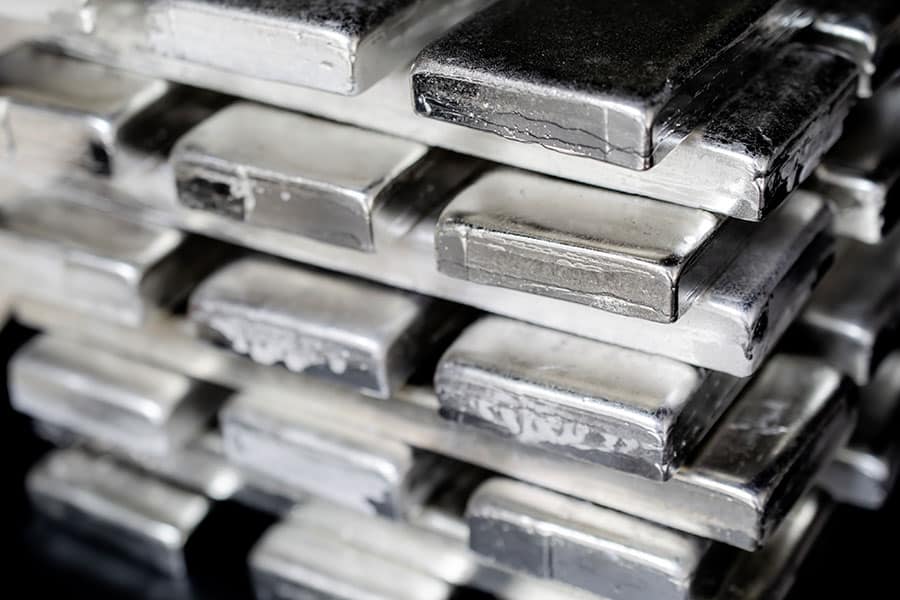
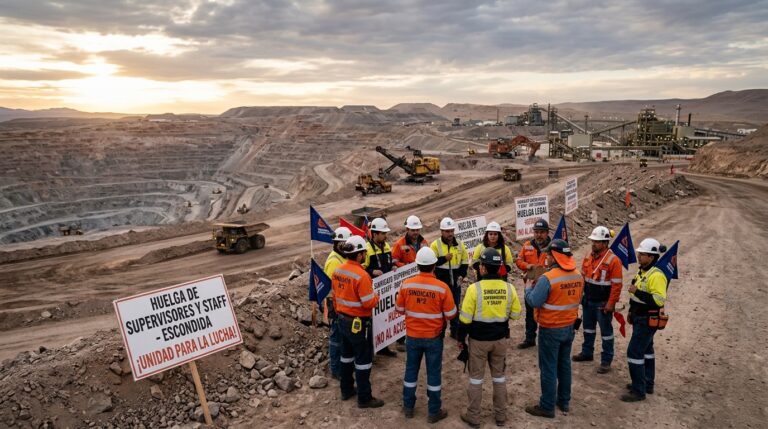
Miners worked this mountain by candlelight in 1898
They came in on horseback and dug by candlelight. By the 1940s the district went quiet.
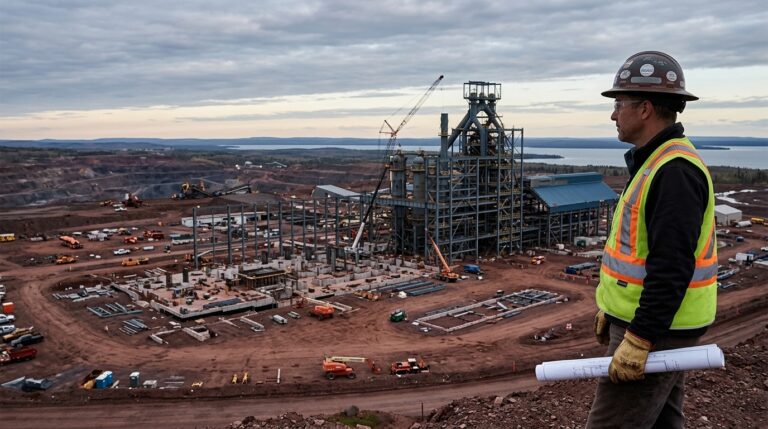
One company now holds 37,000 hectares of it… and says most of the ground has never seen a modern drill.
The first holes are done. What the picks missed is the open question.
Take a closer look at what’s going on in this historic district.
Brazil Votes Sunday. Ibovespa Has Best Day Since Sep 10.
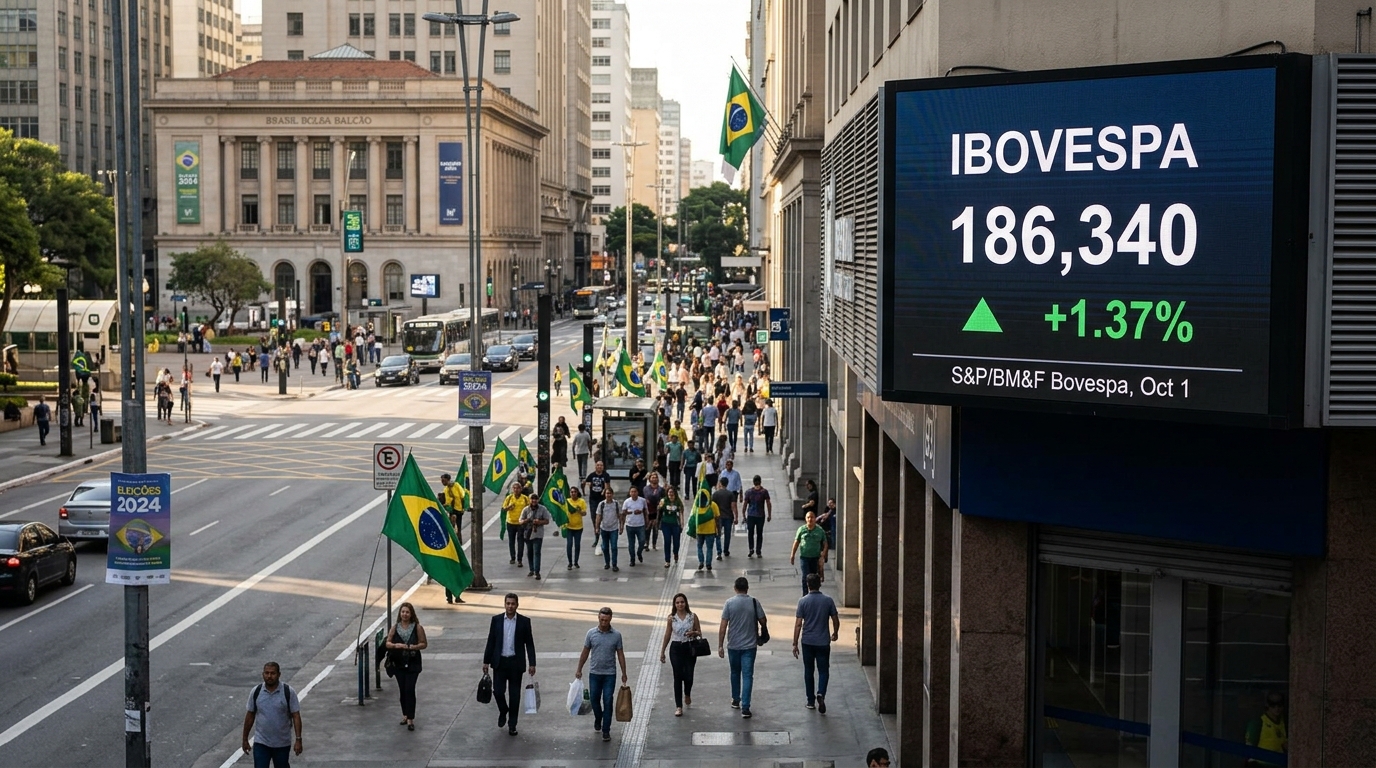
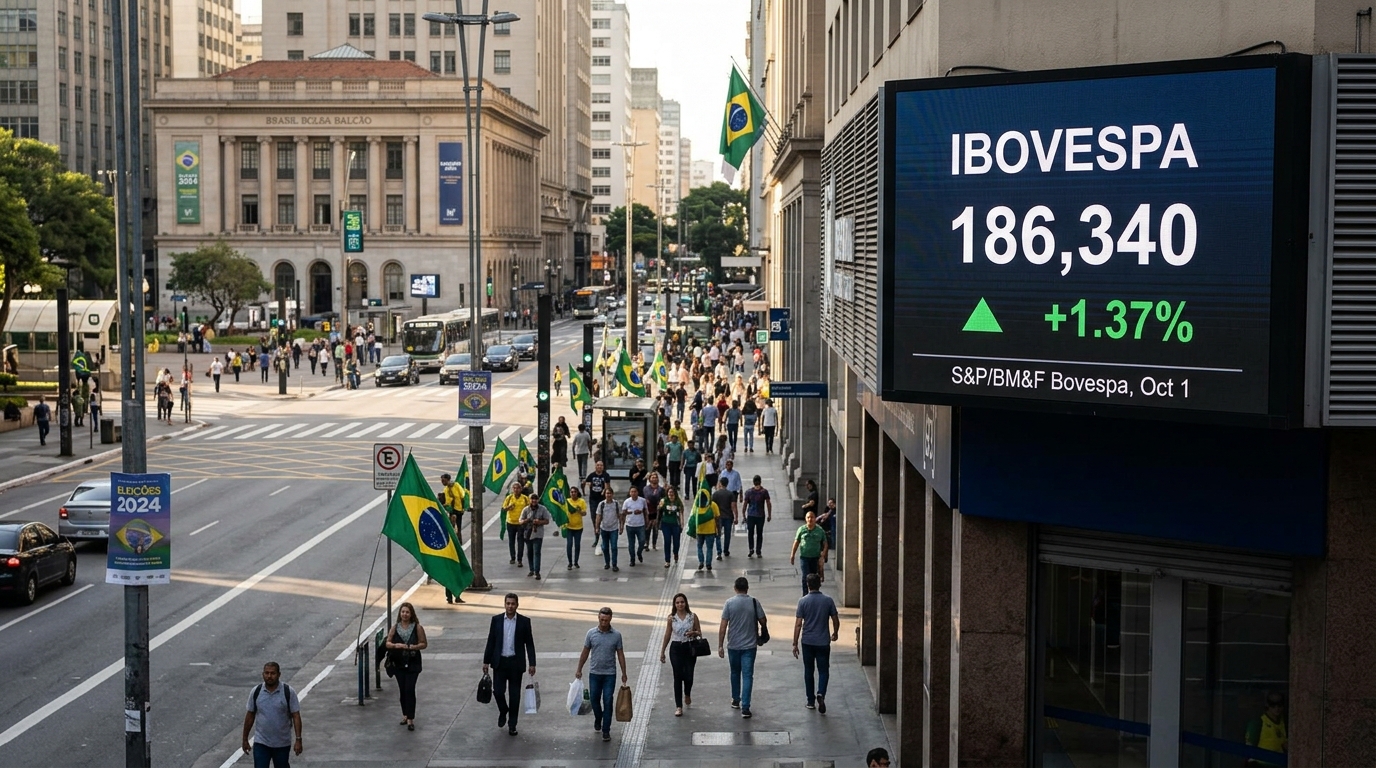
Brazil goes to the polls on Sunday, October 4, and markets spent Wednesday telling you which outcome they are quietly rooting for. The Ibovespa jumped 1.37% to 186,340, led by the big banks, after core PCE prices rose 3.0% on the year in August, below the 3.3% forecast. That US inflation beat was the official driver. But the political subtext was just as clear.
Reuters, carried by InfoMoney, noted that many traders see a Lula re-election as an obstacle to controlling public finances, and that poll news favoring Flávio Bolsonaro tends to push the dollar and local rates down. Wednesday’s session fit that frame: Itaú Unibanco gained about 4.7% and Banco do Brasil about 4.7%, while Bradesco rose about 4.1%. Banks are the most policy-sensitive names on B3, and they moved like a market pricing in less fiscal risk, not just cheaper US inflation.
The Race in Numbers
Lula leads Flávio Bolsonaro by two to four points in final-week in-person polls, with Datafolha’s September 22-23 survey putting the first round at 40-36; one online institute shows Flávio ahead in both rounds, and every runoff simulation sits inside the margin of error. What every institute agrees on: nobody comes near 50%, and every Brazilian presidential election since 2002 has gone to a runoff. October 4 is almost certainly round one of two, with the runoff scheduled for October 25.
The central bank has cut the Selic to 13.75%, and its Focus survey puts inflation expectations at about 4.99% for 2026 and 4.31% for 2027, both above the 3% target. Economists expect the Selic to end the year at 13.50%. The January 2029 rate future fell from about 13.90% to about 13.79% on September 29, according to Valor. That move signals traders are adding risk into the vote, not hedging it away.
Stocks in Focus: EWZ, PBR, VALE, ITUB
- EWZ: The iShares MSCI Brazil ETF is up around the low-20% range year to date. Sunday’s result will test whether that premium holds.
- PBR: Petrobras, roughly 10-12% of EWZ combined across share classes, is the name most exposed to the political outcome. A more interventionist government has historically pressured the company into subsidizing domestic fuel prices, compressing margins regardless of global crude levels.
- VALE: Vale, one of the fund’s largest weights, trades more on Chinese iron ore demand than on Brazilian politics directly, though a weaker real amplifies whatever direction commodities move. On September 29, Vale fell about 2.1% and steelmaker CSN dropped about 9.85% after its mining unit cut its 2026 iron-ore output forecast.
- ITUB: Itaú carries a healthy capital ratio and high-teens ROE, but is sensitive to any populist push toward interest rate caps or expanded credit mandates. Wednesday’s 4.7% gain shows how fast that calculus can reverse.
The Real and Rate-Cut Trade
The real closed around 5.17 per US dollar; a strong US jobs number on Friday would revive talk of another Fed rate rise and test it. Watch whether the real holds below 5.20 per US dollar; a move toward 5.30 would unwind the rate-cut trade. That is the risk scenario traders most want to avoid heading into a weekend where results could land in any direction.
The Cheat Sheet
- Top Market Theme: Brazil enters its election weekend with the Ibovespa recovering to 186,340 and rate futures falling, but two risk events in 72 hours, Sunday’s vote and Friday’s US payrolls, make the current level fragile.
- Stock to Watch: PBR. Its dividend and capex policy are the first line item a new government rewrites.
- Sector to Watch: Brazilian financials. Banks led Wednesday’s rally and will either extend or give it all back depending on which candidate takes first-round momentum.
- Biggest Risk: Corruption rose as a top issue with only three weeks to go before the first-round vote, with investigations into a financial scandal indicating links to both campaigns. A messy first-round result with contested figures would hit the real before B3 opens Monday.
- One Thing to Remember: The runoff on October 25 is where the policy bet gets settled. Sunday tells you who the two finalists are. The real trade begins the moment those names are confirmed.