October 1, 2026
Bonus Content: BHP’s Escondida Heads Into Mediation After Supervisors Reject Final Wage Offer

Silver is up more than 50% in a year. Nobody is watching.
Silver ran to a record in January and half the world noticed. Then it gave back roughly half the move, and most of them left.
One explorer continued working while the crowd was elsewhere.
BHP’s Escondida Heads Into Mediation After Supervisors Reject Final Wage Offer
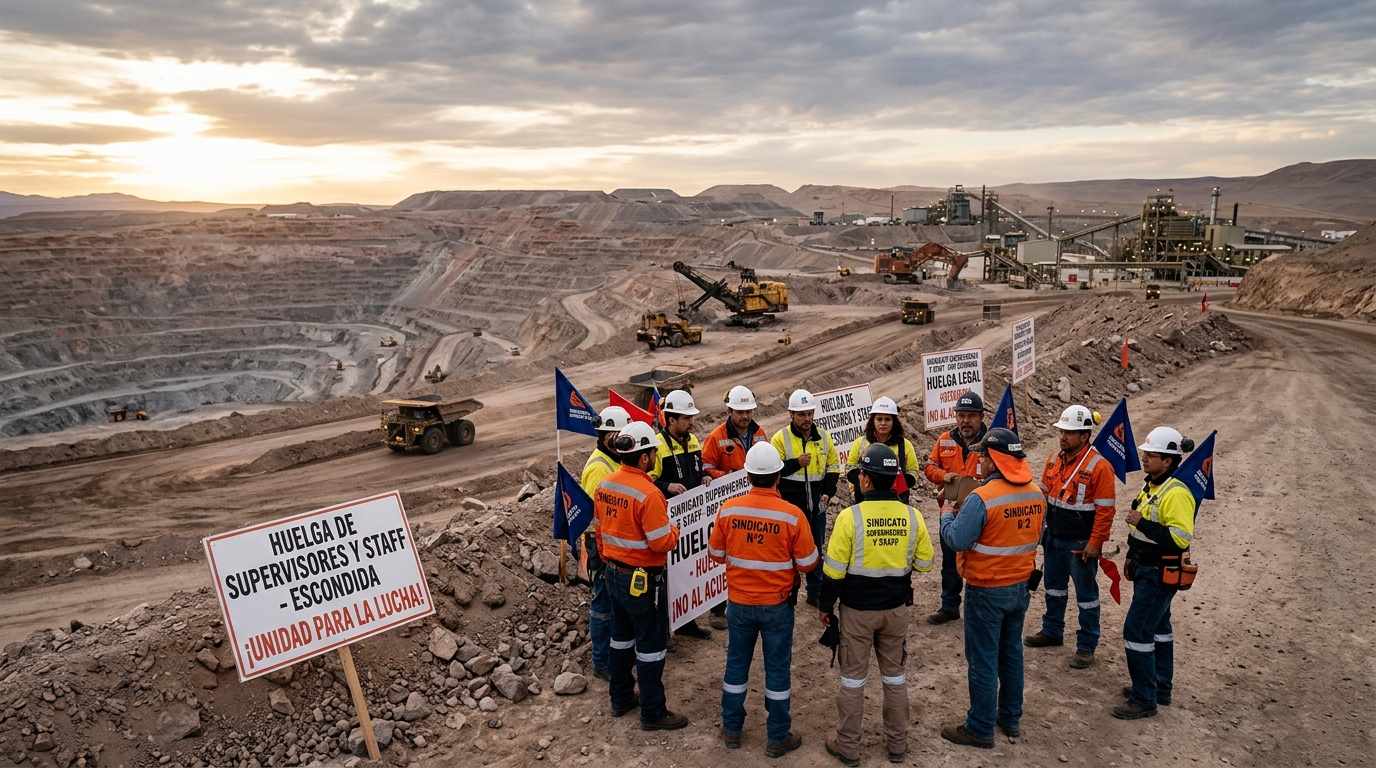
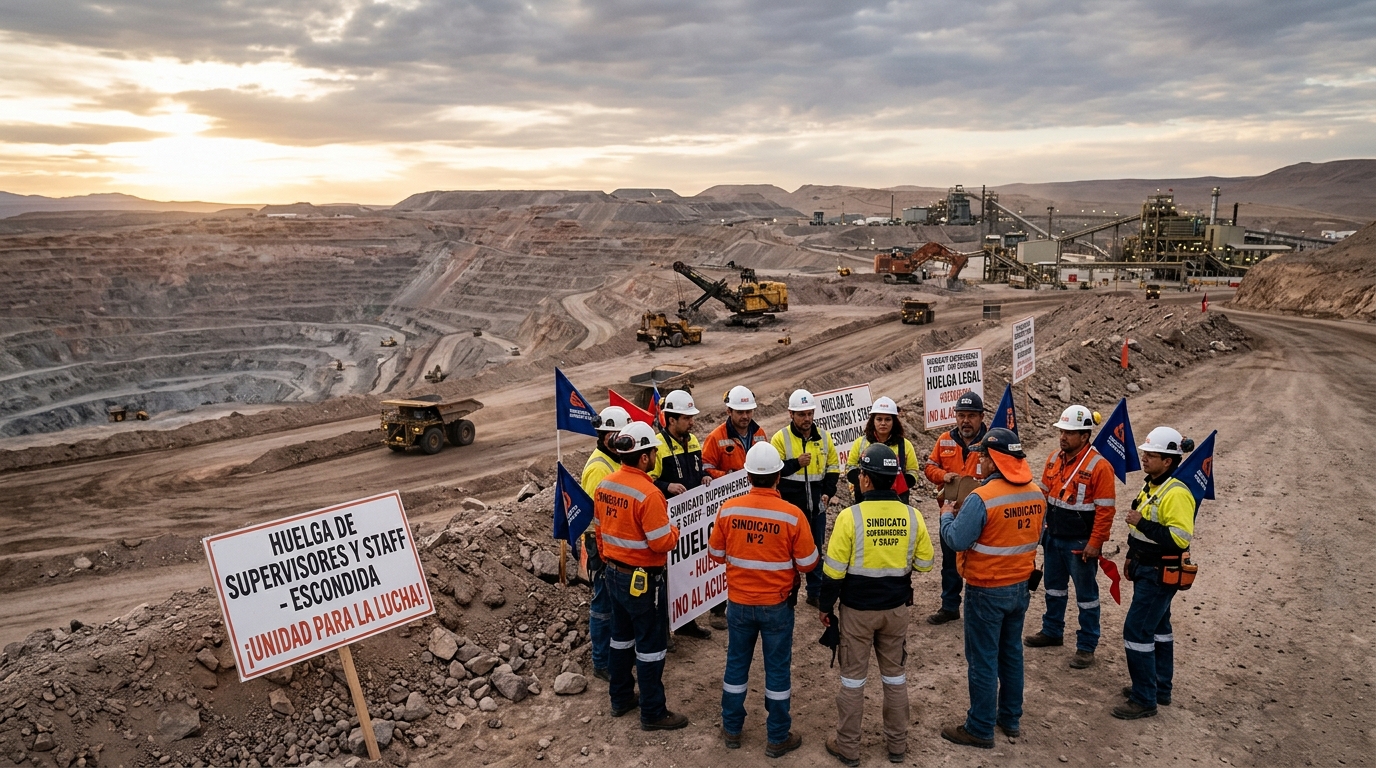
Sindicato N°2 de Supervisores y Staff at BHP’s Escondida copper mine in Chile rejected the company’s final wage offer, with 94.8% voting to authorize strike action. The ballot, which ran September 28–30, is the resolution traders have been waiting on since union leaders began urging rejection a week ago. It changes the immediate math on copper supply.
Chilean law now mandates at least five business days of government mediation, extendable by mutual agreement, before any legal walkout. That window matters. It is not a pause, it is the last off-ramp before a stoppage at the single largest copper source on the planet becomes legal.
Why Escondida Moves Markets
Escondida, in Chile’s Atacama Desert about 170 km southeast of Antofagasta, produced about 1.3 million tonnes of copper in BHP’s 2026 financial year. That represents roughly 5% of world supply. The 2017 strike, which lasted 44 days, removed around 214,000 tonnes from the market. Even a shorter stoppage in the current environment would land on a supply base that has already been under strain for months.
The union of about 1,020 supervisors objected to limited pay improvements, multi-tasking requirements, and a proposed 14×14 shift rotation. BHP argued its offer contained improvements over the existing agreement, but union calculations said the proposal offered little beyond what the current collective contract already provides in salary and benefits.
The mine produced about 1.33 million tonnes in fiscal 2026, and BHP’s fiscal 2027 guidance is 1.0–1.1 million tonnes. That guidance change, driven by declining ore grades, was already baked into market thinking. A strike would compound it.
Copper at $6.57, and Still Climbing
Copper rose to $6.57 per pound on October 1, 2026, up 0.16% from the previous day, and is up 33.61% compared to the same time last year. The broader supply picture explains why the metal has held these levels.
Chile’s own pipeline has been tightening independently. Antofagasta said Los Pelambres was affected by a weather system in July, but the company has said its full-year production guidance remains unchanged. Meanwhile, Chilean mine production has been weakening, with declines at major operations including El Teniente, Escondida, and Spence.
Stocks to Watch
BHP is the most direct exposure. Copper generated more than half of BHP’s underlying EBITDA for the first time in its latest financial year. A prolonged dispute hits earnings disproportionately. Freeport-McMoRan (FCX) is the other major lever, any copper price spike from a Chilean supply disruption flows directly into FCX’s realized prices. Antofagasta carries its own Chilean labor and production risk and has already highlighted weather-related operational volatility at Los Pelambres.
What Traders Watch Next
- Mediation begins immediately. The five-business-day window opens today. Watch for any signals of compromise on the shift rotation and multi-tasking provisions, which were the union’s hardest objections.
- If mediation fails and extends further, a legal strike could begin as early as mid-October, right as copper typically enters a seasonally stronger demand period.
- Copper is expected to trade at $7.02 per pound by the end of this quarter, according to Trading Economics models. A confirmed strike would put that level in play faster than the base case assumes.
The mediation period is the story now. Five days is not much time when the two sides remain, in the union’s own words, very far apart.