October 15, 2026
Bonus Content: Australia Lost 39,300 Jobs in September. RBA November Call Clouds

Silver is up more than 50% in a year. Nobody is watching.
Silver ran to a record in January and half the world noticed. Then it gave back roughly half the move, and most of them left.
One explorer continued working while the crowd was elsewhere.
Australia Lost 39,300 Jobs in September. RBA November Call Clouds
Market Snapshot
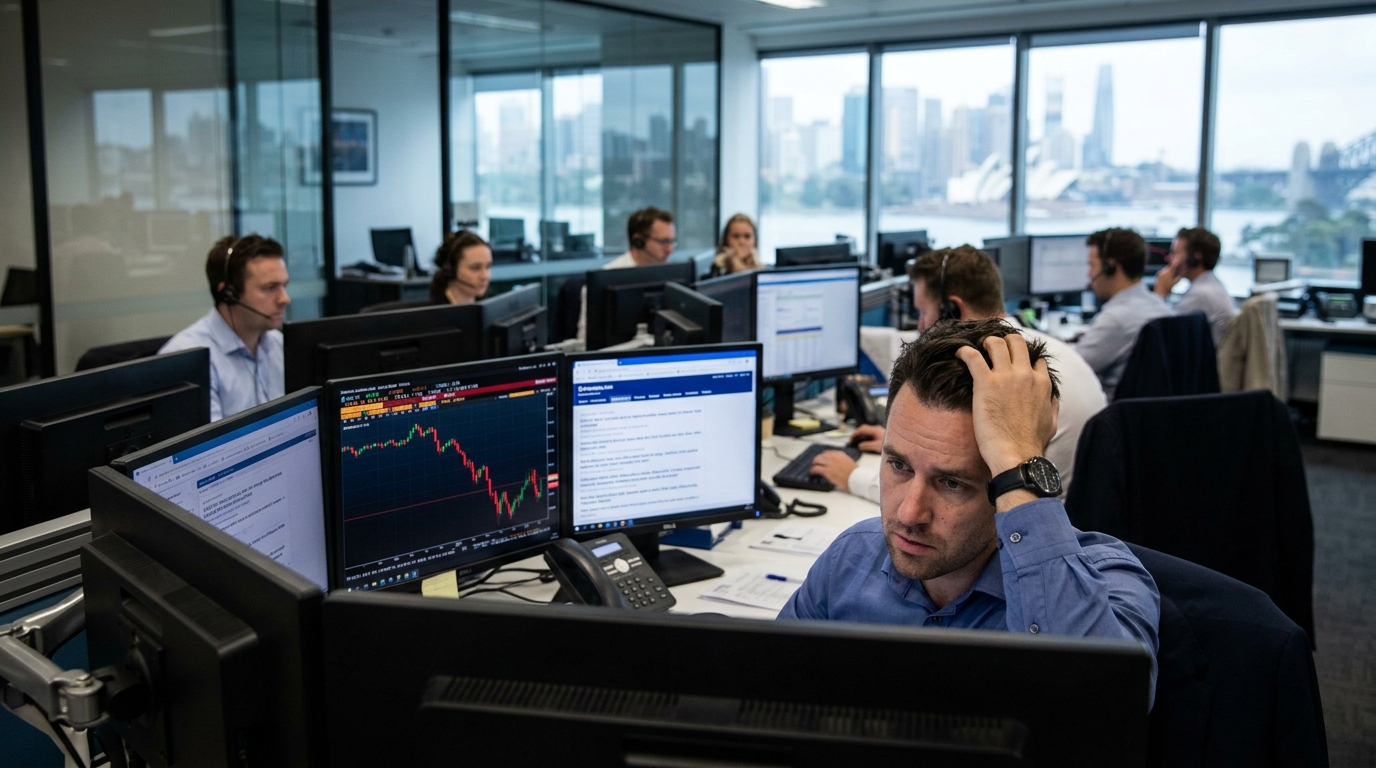
Australia shed 39,300 jobs in September, far short of economists’ forecast for a 19,600-job gain. That’s a miss of nearly 59,000 jobs. The unemployment rate came in at 4.7%, above the expected 4.6%. The Australian dollar dropped immediately, retreating from levels above the 0.7000 psychological mark seen earlier this month.
Stocks in Focus
- AUD/USD: AUD/USD fell about 0.3% immediately after the release. While gold and major currencies rose against the US dollar on lower Treasury yields, the Aussie stayed near its post-data lows, as a narrowing rate outlook at home offsets the broader dollar weakness.
- ASX 200: Rate-sensitive sectors face pressure as the market reprices the RBA path. Banks, which had been pricing in tighter-for-longer conditions, warrant close monitoring heading into Thursday’s session.
- Australian 3-year bonds: November RBA hike pricing fell to around 15% from just under 50% earlier this month, and Australian three-year yields fell around 10 basis points.
Sector Watch
The decline in employment was driven by a 73,700 drop in part-time jobs, which more than offset a 34,400 increase in full-time employment. That split matters. Full-time gains point to a core labour market still absorbing demand, but the collapse in part-time work suggests businesses are pulling back at the margin. Consumer discretionary and retail stocks tied to household spending should be on watch, given what softening part-time hours typically signal about income confidence.
Labour market prints that miss expectations carry a direct read-through to rate pricing. Tight labour market data has repeatedly forced central banks to hold a more aggressive rate path than markets wanted to price.
Catalyst Calendar
- RBA meeting, November 2-3: The report shifts the RBA debate from when the next hike comes to whether it comes at all, with a pause now looking the likelier near-term outcome.
- US PPI and Fed Chair Warsh remarks, Friday: Traders are looking to the US PPI for fresh impetus ahead of Chair Warsh’s remarks. Any hawkish tone keeps upward pressure on the dollar and compounds AUD weakness.
- Next ABS labour force release: November 19. A second consecutive miss would effectively end the hiking debate.
Technical Radar
AUD/USD broke below 0.7000 on the release. That level now flips to resistance. Bears are eyeing 0.69 on AUD/USD. A recovery above 0.7000 on intraday strength would need either a reversal in RBA expectations or a notably weak US PPI reading to sustain. The path of least resistance is lower while November hike odds sit near 15%.
Risk Radar
- Data volatility caveat: The ABS cautioned that recent survey methodology changes could have influenced September’s seasonally adjusted figures. The trend measure told a steadier story, with employment up 15,700 and trend unemployment unchanged at 4.6%. The RBA will weigh both.
- Inflation still sticky: The RBA has flagged that very weak productivity can complicate the inflation outlook and its assessment of labour market slack. A soft jobs print does not automatically mean the RBA blinks on inflation.
- Global growth read-through: Australia’s result lands alongside recent IMF warnings that the global economy has been resilient to the Middle East energy shock so far, but vulnerabilities are building as buffers are drawn down. The AUD is a growth-sensitive currency; a softening global outlook amplifies the domestic drag.
The Cheat Sheet
- Top Market Theme: A major jobs miss has flipped the RBA from probable hiker to likely pauser in a single release.
- Asset to Watch: AUD/USD. The 0.6900 level is the next material test if sentiment around the November meeting deteriorates further.
- Sector to Watch: Australian rate-sensitives, particularly banks and REITs, where a pause reprices better than a hike.
- Biggest Risk: The ABS data volatility warning. If September’s print gets revised materially higher next month, the RBA’s pause rationale evaporates quickly.
- Biggest Opportunity: Weaker employment data makes another RBA hike less likely, which could narrow Australia’s interest rate advantage over major economies and remove a key source of support for the Australian dollar, creating a directional opportunity for traders positioned short AUD against the USD or JPY.
- One Thing to Remember: Trend employment was still positive in September. The headline is real, but it is not yet confirmation of a sustained downturn. Wait for the RBA’s November statement before concluding the tightening cycle is over.