October 15, 2026
Bonus Content: Carrier’s Water Opportunity Is Hiding in Plain Sight
Dear Reader,
In 1998, a 27-year-old Elon Musk set out to replace the U.S. dollar.
Then his plans fell apart.
First, his PayPal co-founders staged a coup and fired him.
Then, he spent decades building Tesla… SpaceX… xAI…
Amassing more wealth and power than any man in history.
And he’s about to “reboot” the U.S. dollar, with the full blessing of the White House, Congress, and the U.S. Treasury.
If he’s successful, this technology will be bigger than Tesla and SpaceX combined.
And for investors, it could be one of the most explosive opportunities of the decade.
Regards,

Ian King
Chief Strategist, Strategic Fortunes
Carrier’s Water Opportunity Is Hiding in Plain Sight
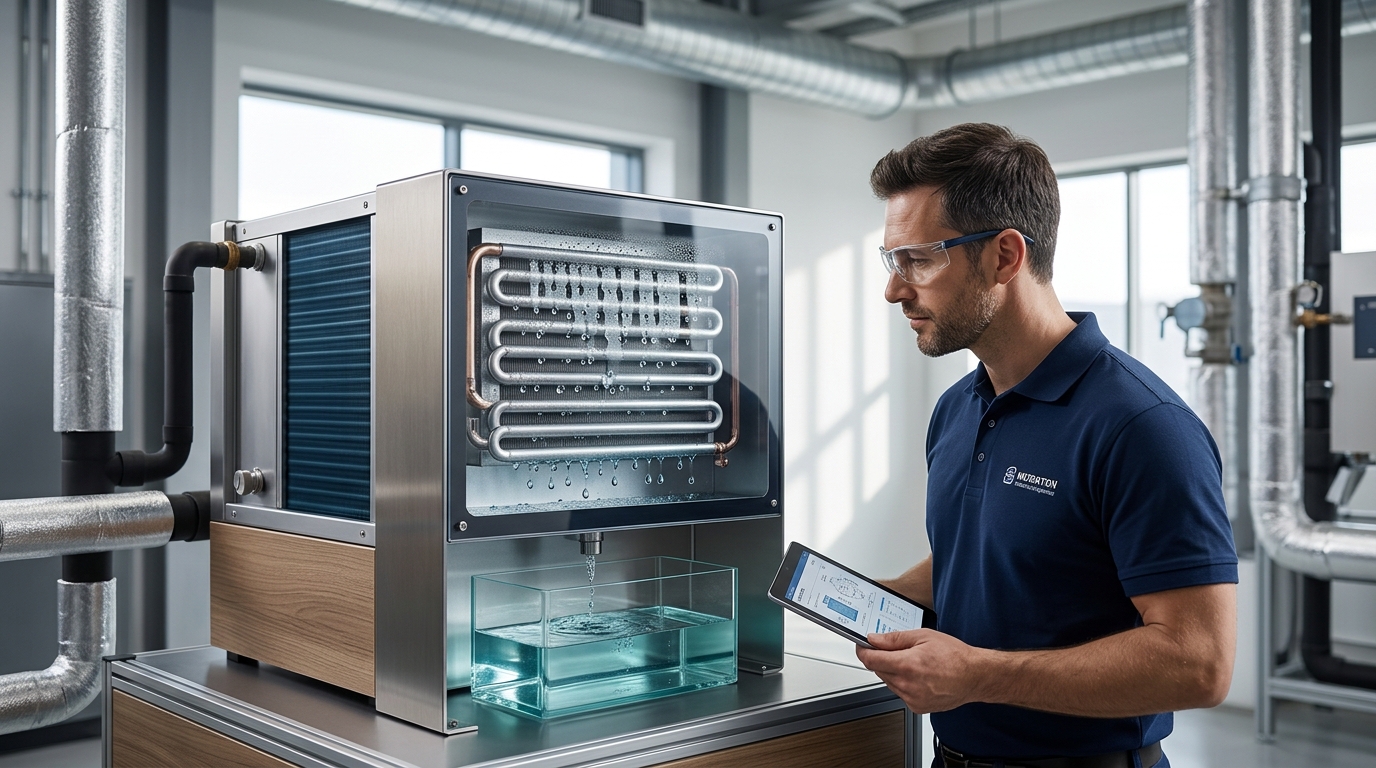
The atmospheric water harvesting market is estimated at $1.6 billion in 2026 and projected to reach $6.8 billion by 2036, compounding at 15.6% annually. The numbers are credible. The harder question is who actually captures that growth, and Carrier Global’s position in the answer is more structural than it first appears.
Most conversation around CARR centers on data centers. Data center cooling sales are now expected to hit about $2 billion in 2026, raised from the prior $1.5 billion estimate, and Q2 orders across commercial HVAC surged about 65% year-over-year. That is the trade everyone sees. The atmospheric water angle is quieter, and that is precisely why it matters.
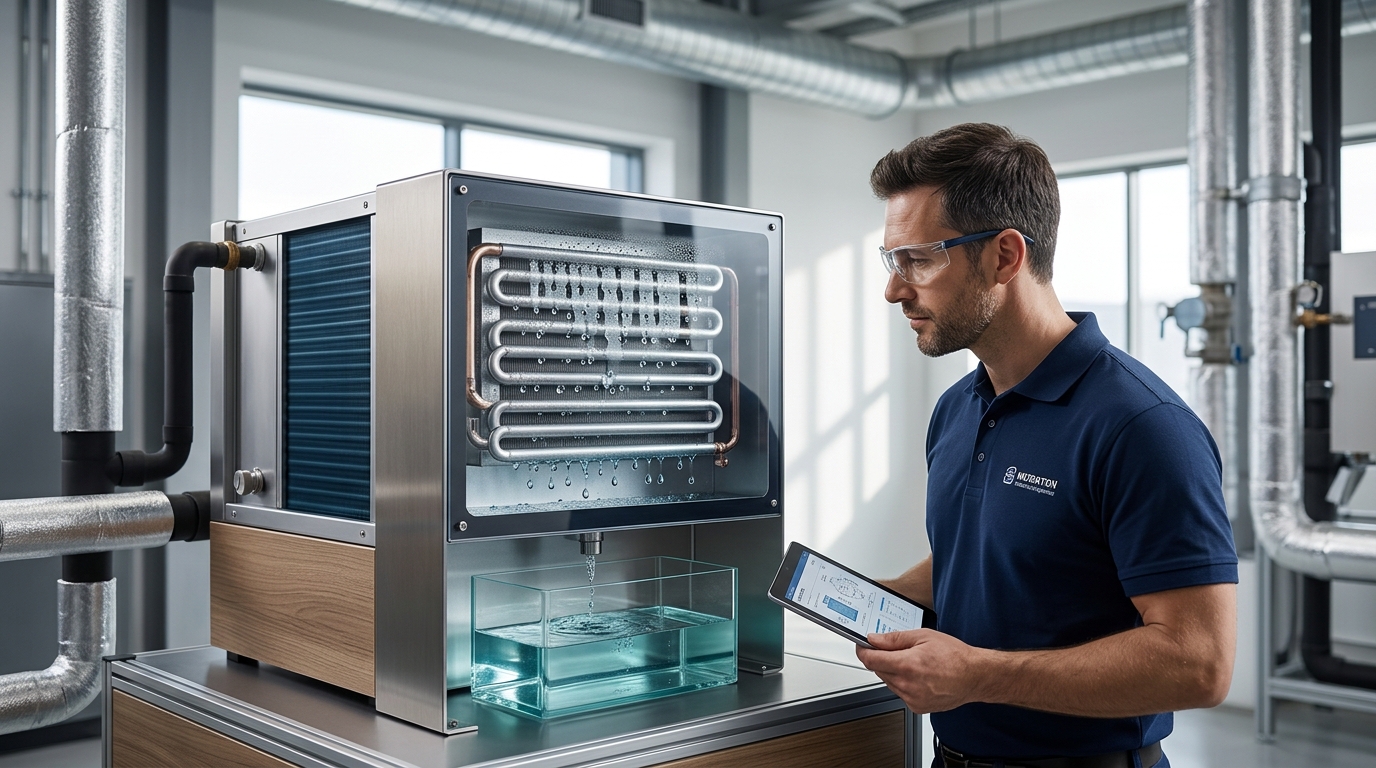
Atmospheric water harvesting works, at its core, through the same physics Carrier has commercialized for over a century: move air across a cooled surface, drop it below the dew point, collect what condenses. Cooling condensation systems dominate the current market, and integrated systems tied to HVAC infrastructure are among the most commercially scalable paths. Carrier’s heat exchange platforms, compressor technology, and refrigerant management sit at the center of both.
The challenge is arid conditions. Standard condensation systems become far less efficient at low humidity, and output can collapse as relative humidity drops. Hot desert air often sits well below 40% during the day. Desiccant-based systems, which can operate at relative humidity as low as 15-20%, are the technical path forward for water-stressed industrial zones in the Middle East, North Africa, and the American Southwest. The energy cost for those systems can drop sharply when waste heat is available on-site, which is exactly what large HVAC and industrial thermal installations produce in abundance.
That waste-heat coupling is where Carrier’s infrastructure becomes a lever rather than just a component. Recent academic review work has noted that AWH energy demand can be significantly reduced by coupling sorbent regeneration with industrial waste heat, making semiconductor fabs, pharmaceutical plants, and data centers in arid regions logical anchors for scaled AWH deployment. Carrier already has deep customer relationships in each of those verticals.
The company reports Q3 results on October 29. Backlog surpassed $8 billion through Q2, up about 40% year-over-year, and management said it expects a significant sequential and year-over-year pickup in Q3. Neither figure mentions atmospheric water explicitly. But the same commercial HVAC infrastructure driving those numbers is the foundation any credible industrial AWH rollout would run on.
Mizuho maintained its Buy rating on CARR this week while trimming its price target to $70 from $75, citing margin pressure. The stock trades near $55, and Wall Street consensus price targets sit in the low $70s. Margin compression tied to tariffs and input costs is the bear case heading into October 29.
The bull case is that Carrier’s core thermal management competency is broadening faster than the market is pricing. Data centers first. Atmospheric water harvesting is the infrastructure cycle that follows.