October 26, 2026
Bonus Content: SpaceX’s $40B GPU Debt Deal Backs Nvidia Demand
My name is Chris Pulver, and I’ve traded through some of the most incredible markets over the last 3 decades.
All the while, I’ve watched traders spend entire days glued to their screens, chasing every little move.
I wanted something simpler.
So I developed a setup built around one specific time: 9:35 AM.
This one doesn’t depend on the market making any move up, down, or sideways.
And it doesn’t require you to predict where the index will finish.
All you need to do is align with the market maker’s expected range and allow the setup to play out.
In the last 2 years using this unique approach, regular traders have been able to target anywhere from $100 up to $300 (on a $1K) in less than 2 hours.
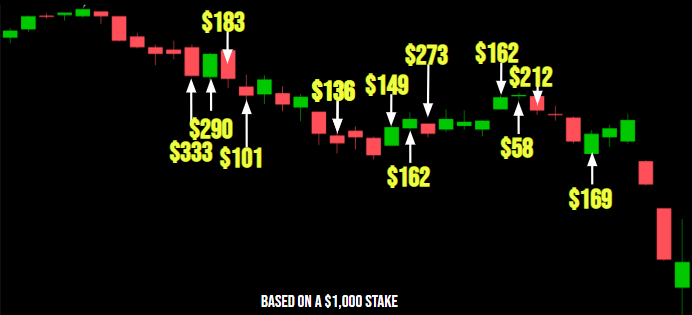
No one had to spend the entire day staring at charts or constantly second-guessing every tick.
Granted, we can’t make trading guarantees here…
But if you’d like to see exactly how this 9:35 AM approach works…
I’ve laid out the full strategy right here for you.
See you in the market,
Chris Pulver
SpaceX’s $40B GPU Debt Deal Backs Nvidia Demand
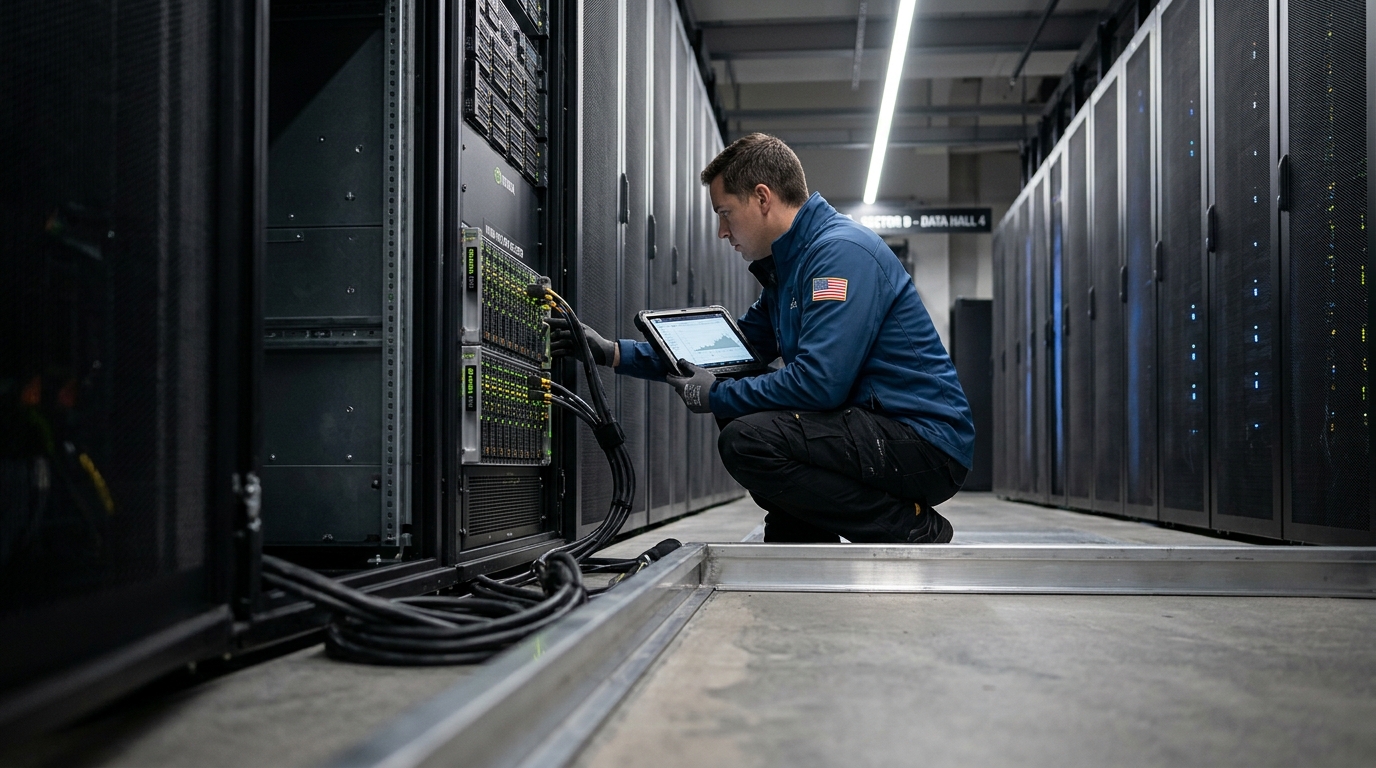
Spend two weeks reading AI credit coverage and you might conclude Nvidia’s forward order book is in trouble. CoreWeave shares fell roughly 16% as yields on its 2031 and 2032 bonds rose close to 15%. Oracle bonds traded at levels that looked closer to junk territory than typical investment-grade levels as markets cooled on artificial intelligence. The question hanging over every Nvidia bull was simple: if the buyers can’t borrow, who pays for the chips?
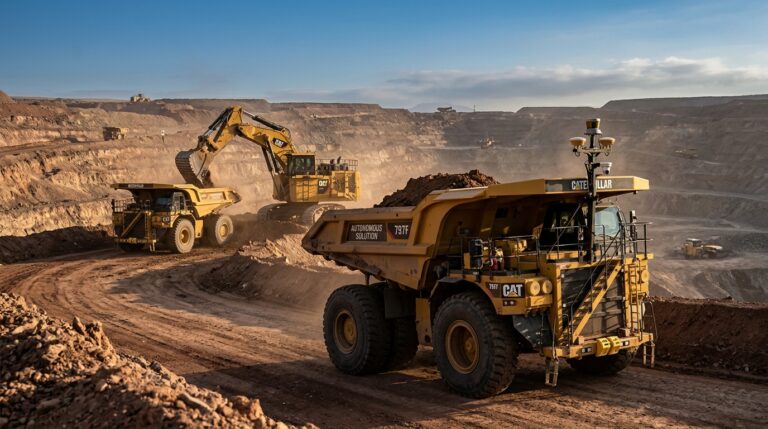
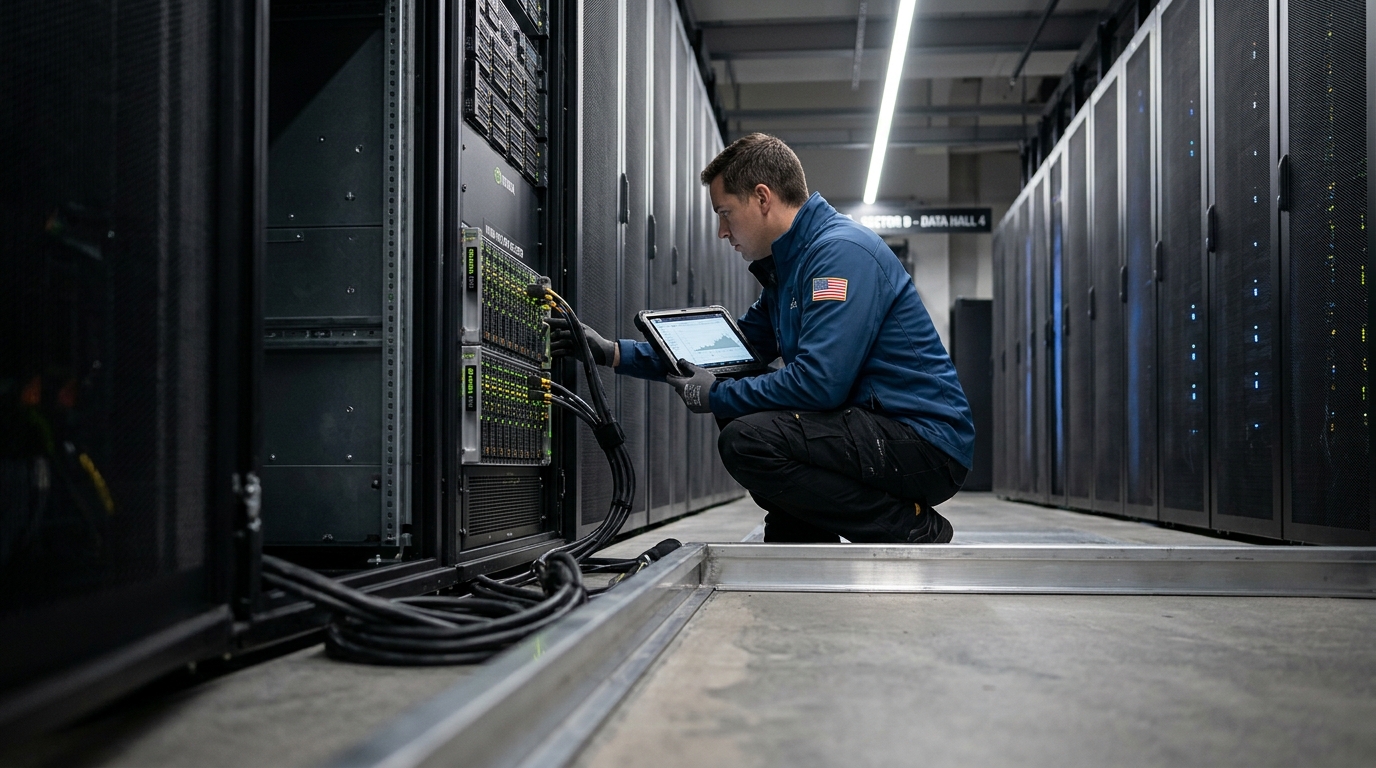
SpaceX answered Sunday night, October 25, 2026. Musk said SpaceX had closed $40 billion in debt financing for GPUs expected to arrive in the first half of 2027. The financing consists primarily of callable debt, covering chips due in Q1 and Q2. That is a hard delivery schedule attached to a named buyer, exactly the order-book confirmation the market had been demanding.
Musk pointed to SpaceX’s investment-grade credit rating and the revenue it generates from Starlink and rocket launches as the reason lenders agreed. That detail matters more than the headline number. Musk said debt markets have almost entirely cut off money to any company without substantial revenue independent of AI data centers. SpaceX clears that bar. CoreWeave does not.
Musk wrote: “As of the past few weeks, debt markets have almost entirely shut off access to money for any company that doesn’t have substantial revenue independent of AI data centers. The 200+ neoclouds are going to see guppy-level death and consolidation. Some will make it through, but not many.”
That warning lands differently when you read it as a demand-side filter rather than a disaster alert. Nvidia’s chip pipeline does not disappear if neoclouds consolidate, it concentrates. Fewer, larger, investment-grade buyers place bigger orders and carry more leverage at the negotiating table. The debt raise follows strong third-quarter results, with Reuters reporting that SpaceX’s AI revenue surged to $7.56 billion. That is the profile Nvidia wants on the other side of a multi-billion-dollar contract.
Consolidation among neoclouds does not shrink the hardware queue — it redirects it toward balance-sheet-strong buyers. Dell’s $95 billion AI server backlog shows how quickly contracted demand accumulates when creditworthy buyers are placing the orders.
The financing structure also insulates Nvidia from headline credit risk. Bloomberg reported the deal was being structured as private bonds to be issued by an off-balance sheet entity. Goldman Sachs has been discussing the structure with investors led by Apollo Global Management. That is blue-chip syndication, not distressed placement.
What traders should watch: it was not immediately clear from Musk’s post whether investors had agreed to pricing for the debt, so confirmation of final terms would be the next catalyst for NVDA. On the other side of the ledger, CoreWeave’s bond yields remained elevated around the mid-teens in mid-October, with widely reported prints putting the 2032 yield around 14.8% and the 2031 yield around 14.9%. A further move wider there keeps pressure on CRWV equity regardless of what SpaceX closes.
The market spent two weeks treating AI credit stress as an Nvidia demand problem. The SpaceX deal reframes it: demand is intact among buyers with real balance sheets. The question for NVDA is not whether orders exist, it is whether the consolidating buyer base eventually extracts better pricing. That conversation belongs in 2027, not today.