
May 19, 2026
Blackstone (BX): They Bought the Building
First a note from Mode Mobile
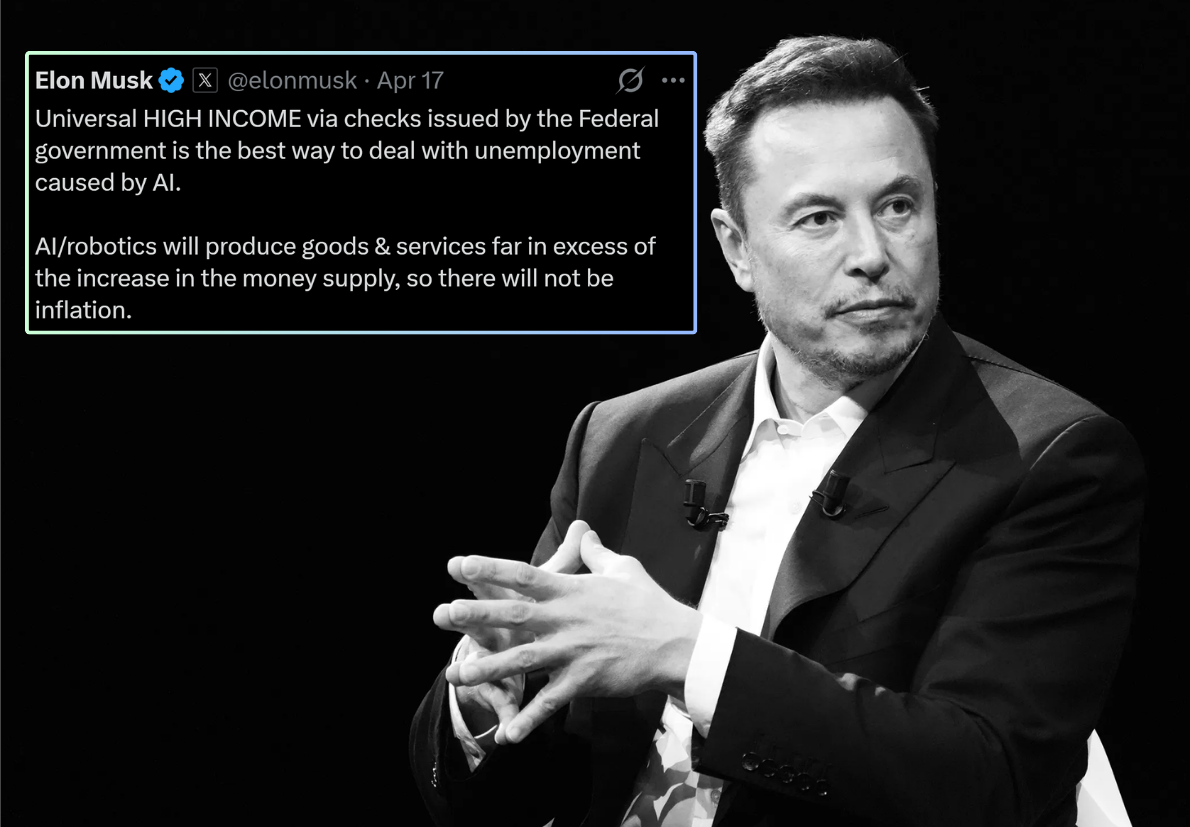
Elon Musk’s latest statement wasn’t subtle.
AI could force governments to introduce universal income.
That’s the future most people are preparing for.
Mode Mobile is already there.
While others debate policy, Mode is already scaling a platform that turns attention into earnings.
They’ve built a system where your phone generates income daily.
Browsing. Listening. Charging. Using apps.
Those same 5 hours people spend on their phones every day… now monetized.
And the traction is hard to ignore:
- 490M+ users globally
- $1B+ earned and saved by users
- $115M+ revenue
- 32,481% growth (#1 fastest-growing software company by Deloitte)
This isn’t a concept.
It’s a working economic model.
Just like Uber turned cars into taxis and Airbnb turned homes into hotels, Mode is turning smartphones into EarnPhones.
And investors can still access pre-IPO shares in this category disruptor at just $0.50.
But that window won’t stay open forever.
With a Nasdaq ticker secured ($MODE), the company is positioning for a potential IPO in the near future.
Get in before the public markets catch up.
Blackstone (BX): They Bought the Building
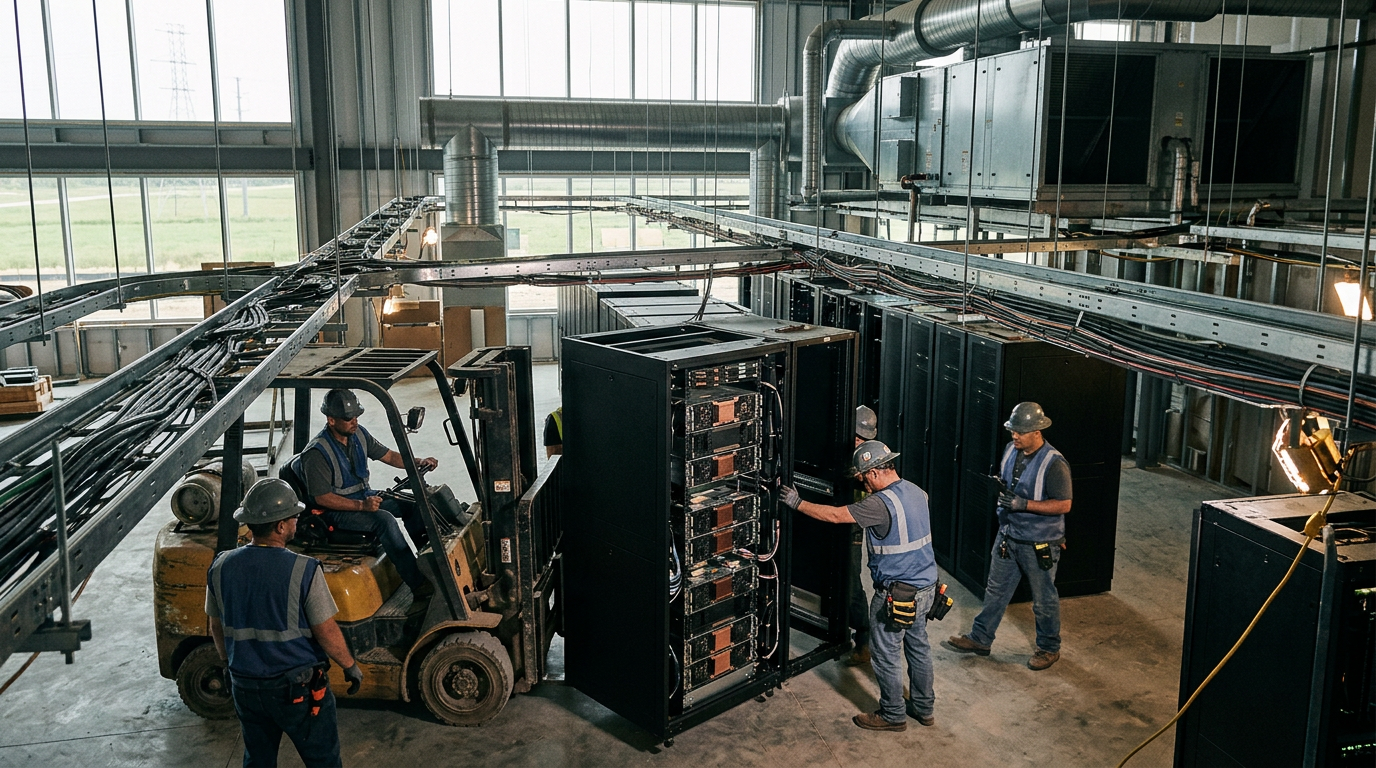
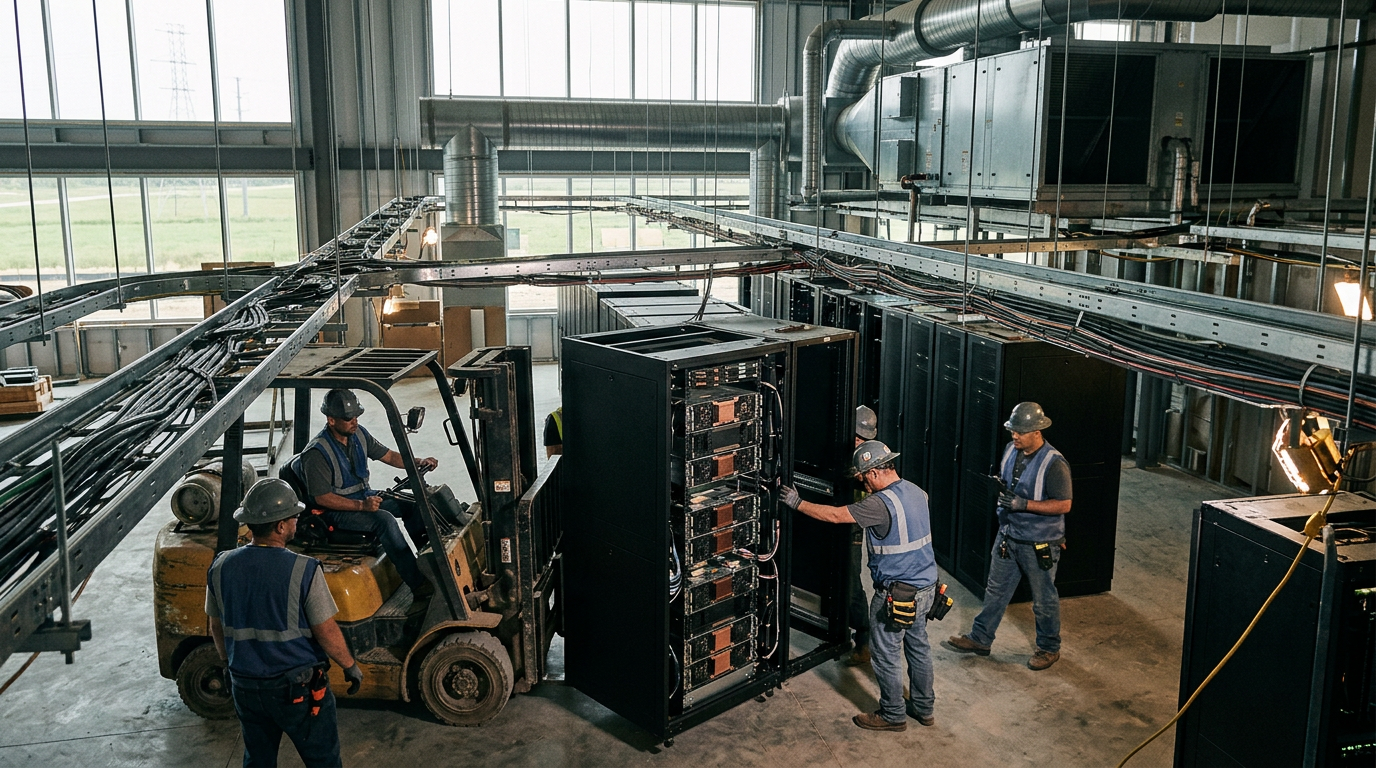
Here’s the thing about the AI trade most people are in right now — it’s a consumer of infrastructure, not an owner of it. Chips get fabbed and sold. Software gets licensed. Models get trained and served. All of it runs on physical compute sitting inside buildings that someone has to own, operate, and finance. Blackstone just made a $5 billion bet that the someone might as well be them.
The deal announced Monday is a joint venture with Google. Independent AI cloud company, U.S.-based. Blackstone contributes $5 billion in initial equity and holds majority ownership. Google brings the Tensor Processing Units — its own custom silicon — plus the software stack and services wrapped around it. Total exposure including leverage: $25 billion. They’re targeting 500 megawatts of compute capacity online by 2027.
Read that again. Majority ownership. Blackstone controls this entity. Google is the hardware vendor.
Everyone’s Watching SpaceX. Few Are Watching This.
The expected SpaceX IPO has reignited interest in the space economy – and for good reason. It could become one of the largest public offerings in history.
But experienced investors have seen this pattern before. During railroads, oil booms, and the rise of the internet, the biggest long-term winners weren’t always the headline names. They were the infrastructure companies that made expansion possible.
Today, the space industry faces real bottlenecks that giant rockets alone don’t solve: testing capacity, scheduling constraints, and access to orbit.
A small, operational aerospace company is positioning quietly at that intersection.
See who’s supporting the next phase of the space economy – behind the scenes.
That inversion is the whole story. Every other AI infrastructure deal you’ve seen has big tech at the center and financial capital orbiting around it. This flips it. Blackstone sits in the ownership seat. Google is a strategic contributor. It’s the kind of structure that only makes sense if you think the long-term value in AI compute accrues to whoever controls the physical layer — not whoever designed the chip or trained the model.
What the company actually sells: data center capacity, networking, and TPU-based compute as a service. The frame being used internally and by analysts is CoreWeave — the neocloud that went public in 2025 in the biggest U.S. tech IPO since 2021, built entirely on the model of owning infrastructure and reselling Nvidia GPU access through it. CoreWeave worked. The market loved it. This venture takes that model, swaps Nvidia for Google silicon, and replaces CoreWeave’s PE backing with Blackstone’s balance sheet. That’s not a compliment to CoreWeave. That’s a $25 billion competitive threat to its entire business.
Slight tangent, but it matters: Blackstone didn’t become a data center operator this week. QTS in 2021. AirTrunk in 2024. At this point they control more data center capacity than any other private investor globally. The Google venture doesn’t represent a new thesis — it’s a new revenue layer bolted onto infrastructure they’ve already spent years assembling. Compute-as-a-service running on top of assets they own. That’s vertical integration, not diversification.
Five days before this announcement, Blackstone’s Digital Infrastructure Trust priced a $1.75 billion IPO. 87.5 million shares at $20, proceeds targeting newly constructed data center assets. One week, two capital markets moves, same underlying thesis. Private infrastructure funds on one end. A public vehicle on the other. An operating compute company in the middle generating contracted revenue. It’s a multi-vehicle architecture all pointed at the same bottleneck.
The unit running this is BXN1. Led by Jas Khaira, who ran Blackstone’s CoreWeave investment before this role. He watched that model produce, and now he’s building the next version from a better ownership position. BXN1 also has a parallel deal already in market — a $1.5 billion JV with Anthropic, Goldman Sachs, and Hellman & Friedman selling Claude-based tools into private equity portfolios. One deal sells the compute. One deal sells what runs on it. That’s not a coincidence. That’s a product strategy.
The “Sucker’s Bet” Most New Options Traders Fall For
Most people who try options lose money the same way.
They don’t know the rules. They don’t know what to avoid. And they hand their account to Wall Street on a silver platter.
This free guide pulls back the curtain.
You’ll see the single “sucker’s bet” to avoid at all costs… plus the pro move that protects your account before you place a single trade.
Normally $29.97. Free today.
The capex backdrop for all of this: major tech firms are on pace to spend over $700 billion on AI infrastructure this year. Ares has estimated the independent data center market opportunity at $900 billion. Blackstone isn’t hoping to capture some of that spend. It’s constructing the infrastructure those dollars literally cannot avoid.
BX stock drifted higher on the news. Measured reaction. No gap, no squeeze. What’s interesting is that’s exactly what you’d expect when a deal confirms a four-year thesis rather than surprises anyone. The stock already prices in Blackstone’s infrastructure dominance to some degree. The open question — the one worth actually tracking — is how fast this $25 billion venture goes from announced to contracted. Revenue recognition on compute infrastructure doesn’t happen at the press release. It happens when capacity is live and customers are on signed agreements.
2027 capacity milestones. Third BXN1 deal. Fee-bearing AUM conversion. That’s the checklist, not this morning’s headline.
For informational purposes only.