Dear Reader,
I’m writing to share our #1 stock to buy right now as the U.S. power grid cracks.
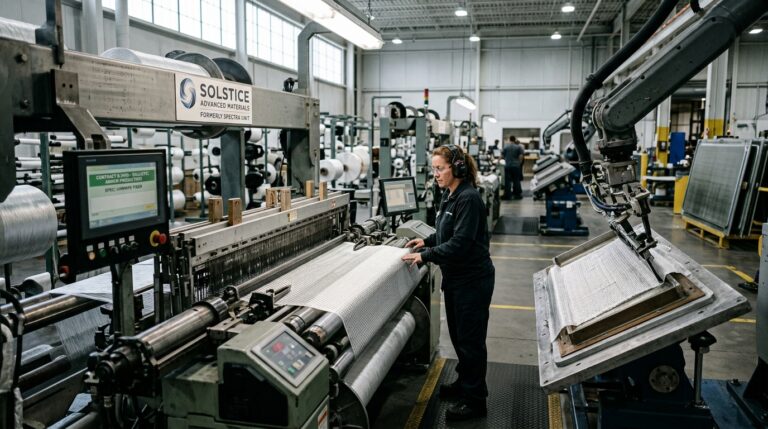
This company’s new tech is already live in remote fields in West Texas.
It can generate round-the-clock power without waiting years for the public grid to catch up.
This tech is now backed by Elon Musk.
And Meta, Microsoft, and Google are getting in too.
Satellite images have surfaced – that could soon show everyone what’s going on. So before the average person hears about this…
Click here to learn all about the #1 power grid stock to own right now.
Regards,
Joel Litman
Chief Investment Officer, Altimetry
Trump Threatens South Korea With Tariffs Over Alaska LNG Deal
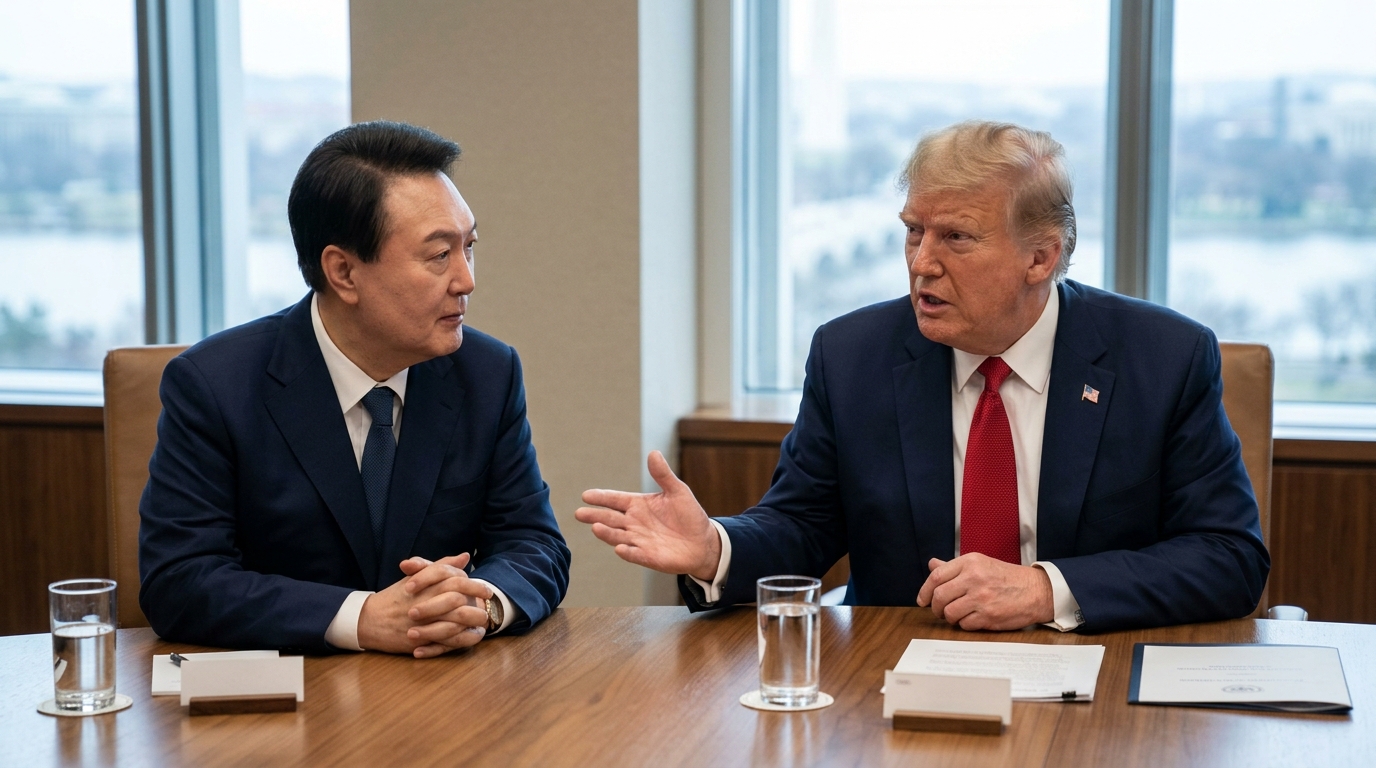
Overnight, this became the session’s clearest geopolitical risk: President Trump threatened South Korea with higher tariffs if Seoul does not commit to a $54 billion investment in the Alaska LNG project, a figure Seoul says was never formally agreed upon in the first place.
Market Snapshot
Natural gas futures are hovering near $2.93/MMBtu, still roughly 9% below year-ago levels. The Korea Electric Power ADR (KEP) closed at $11.08 on October 2, near the lower end of its 52-week range of $11.25 to $23.41, and is worth watching at the open given the direct diplomatic friction. Cheniere Energy (LNG) closed at $269.95 on October 2, with earnings due October 29. Expand Energy (EXE), formerly Chesapeake Energy after its Southwestern merger, closed at $85.52 on October 2, as any LNG demand catalyst would benefit one of the largest U.S. natural gas producers.
Stocks in Focus
KEP (Korea Electric Power ADR): The most direct equity handle on Korean energy exposure. Any escalation in U.S.-South Korea trade tensions could pressure the ADR at the open. Watch for volume relative to its 4-month average.
EXE (Expand Energy): The Alaska LNG project, if ever built, requires gas supply. Expand Energy is a North American natural gas producer in the Haynesville and Appalachian basins, formed by the combination of Chesapeake and Southwestern. Any credible progress on the Alaska LNG final investment decision is a downstream catalyst for U.S. natural gas producers. The stock remains well below its 52-week high.
Cheniere Energy (LNG): Analysts raised their price target to $312 as recently as September 10. Alaska LNG’s estimated cost on a per-mtpa basis compares poorly to Cheniere’s Corpus Christi Stage 3. That cost gap is exactly why Seoul is skeptical, and it reinforces Cheniere’s structural competitive advantage in the global LNG market.
What Happened and Why It Matters
Earlier this week, Trump announced a $54 billion plan for the LNG export venture as the centerpiece of Seoul’s commitment to invest in the U.S., but South Korean officials later said any participation has not been finalized and would depend on commercial viability and South Korean legal procedures.
The Oval Office announcement on Wednesday featured Trump alongside Alaska leaders and a Republican senator in a tight Alaska race. A representative of the privately held Glenfarne Group, which is developing the LNG venture, was also in attendance. That detail matters: the developer celebrated a deal the customer had not yet signed.
South Korean President Lee Jae-myung said on social media that, regarding the Alaska LNG project among the investment projects announced by the U.S., South Korea would begin working-level efforts on the preconditions that 1) commercial viability is confirmed and 2) it complies with South Korean legal procedures.
Trump’s response was direct. “If they don’t want to do it, that’s OK with me – I’ll just charge them more,” Trump said Friday when asked about South Korea’s pushback, adding that if an agreement is not signed quickly, he would double tariffs.
It’s unclear whether Trump can unilaterally raise levies on South Korean goods as a retaliatory measure, given ongoing legal constraints and court scrutiny of tariff authorities. That ambiguity limits the immediate threat but does nothing to reduce diplomatic noise heading into Monday’s Asian session.
Sector Watch: Energy
A final investment decision on Alaska LNG has been delayed by high capital costs and the need to secure sufficient LNG offtake commitments. Glenfarne has said it has preliminary LNG sales agreements, through letters of intent, in place for about 13 million tons per year of LNG and has said roughly 16 million tons per year is needed to support financing. Seoul’s participation, even conditionally, would be one of the largest commitments the project has ever attracted. Its collapse would likely delay the FID further, removing a bullish long-term catalyst for U.S. gas producers.
South Korea is one of the world’s largest importers of liquefied natural gas. After the war in Iran disrupted Middle East supplies, LNG buyers have looked to diversify supply away from the Gulf. The U.S. has been the world’s largest LNG exporter in recent years, and that structural demand shift can persist regardless of what happens to this particular deal.
Risk Radar
- Tariff escalation: Even without clear legal authority, Trump’s rhetoric can move Korean won and Korean equities in overnight sessions. Watch the won and Korean KOSPI futures before the U.S. open.
- Project credibility: The announcement does not represent a final investment commitment. South Korean officials said any participation would require review of the project’s commercial viability and compliance with domestic procedures. If this dispute widens, Glenfarne loses its primary financing showcase.
- Natural gas positioning: Natural gas rose to $3.04/MMBtu on October 2, up 2.43% from the previous day. Over the past month, natural gas prices have risen 4.33%, but remain 8.57% lower than a year ago. A deal collapse removes a demand catalyst and could weigh on near-term gas sentiment.
The Cheat Sheet
- Top Theme: U.S.-South Korea trade tensions are escalating over a disputed LNG commitment, adding geopolitical risk to an already subdued natural gas market.
- Stock to Watch: KEP, for direct Korean energy exposure and a potential gap move at the open.
- Sector to Watch: Energy, specifically U.S. LNG exporters and producers, where any resolution in either direction moves long-term demand assumptions.
- Biggest Risk: Tariff escalation between Washington and Seoul, even if ultimately constrained by courts, creates volatility before the legal dust settles.
- Biggest Opportunity: If the dispute resolves and Seoul formally commits, EXE and Cheniere (LNG) both benefit from a credible step toward a project FID that would need tens of billions in gas supply.
- One Thing to Remember: The project’s costs are materially higher than comparable Gulf Coast LNG facilities on a per-unit basis. Seoul’s caution is commercially rational, not just political posturing, and that reality does not change regardless of what Trump threatens.