
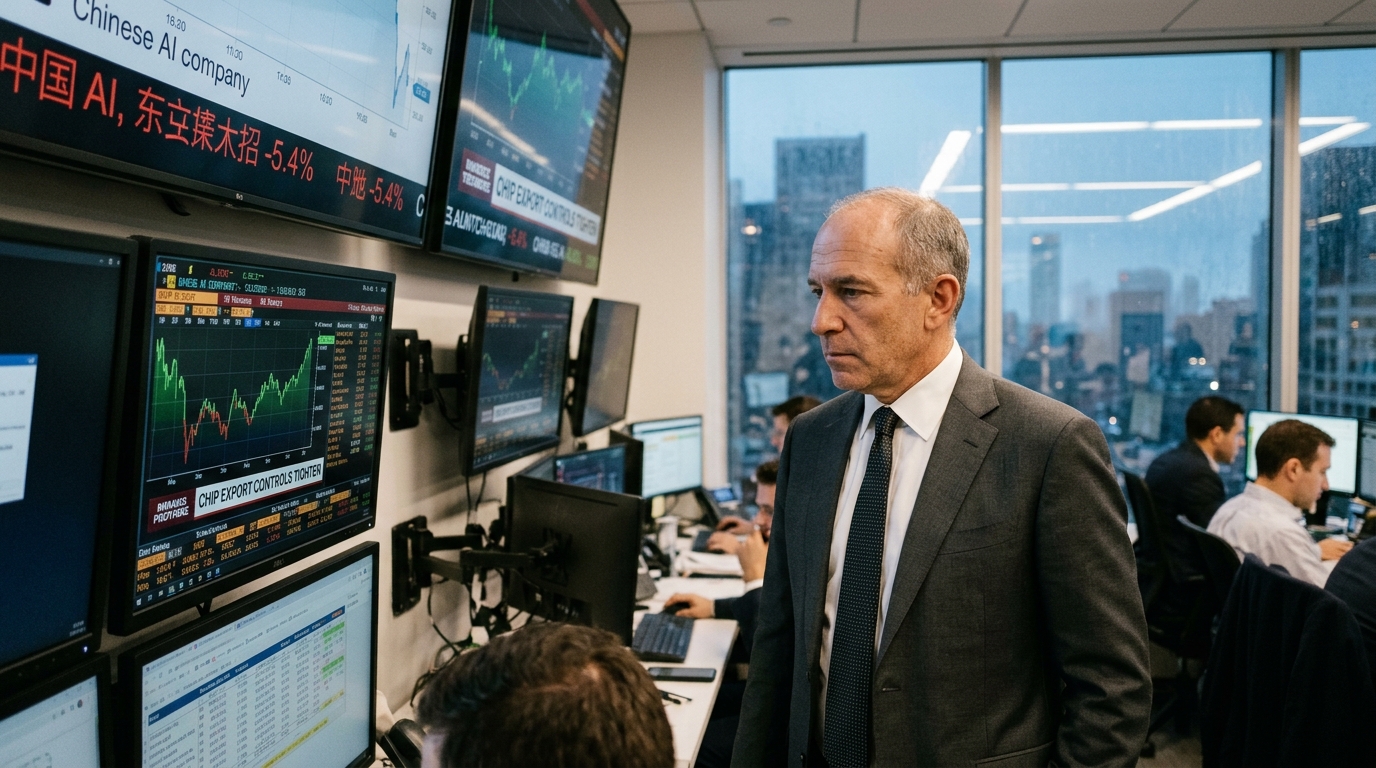
There’s a market signal that shows up around 9:35 AM that most traders completely overlook.
They’re watching RSI.
Moving averages.
Candlesticks.
Trying to figure out where the market is headed next.
Meanwhile, I’m watching what happens in the first few minutes after the opening bell.
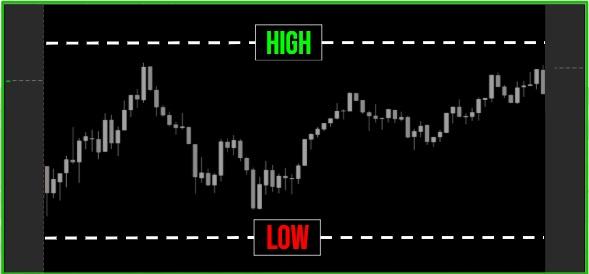
Because that’s where I’ve found a recurring pattern that can help identify key levels above and below the market.
I’ve spent years tracking this behavior.
And over the past two years, we’ve seen this approach produce 618 winning signals.
Now there’s a new test on the table.
Can we get to win #618 before the weekend?
I’ve set a challenge in motion to find out.
No trading guarantees, of course…
But I can show you the data behind the setup, the levels I’m watching, and exactly what I’m looking for as we make our run from #618 toward #620.
If you want to follow along the Challenge, I’ve laid everything out right here.
See you in the market,
Chris Pulver
Nvidia Chip Rules Are Getting Tighter. Lutnick May Not Survive It.
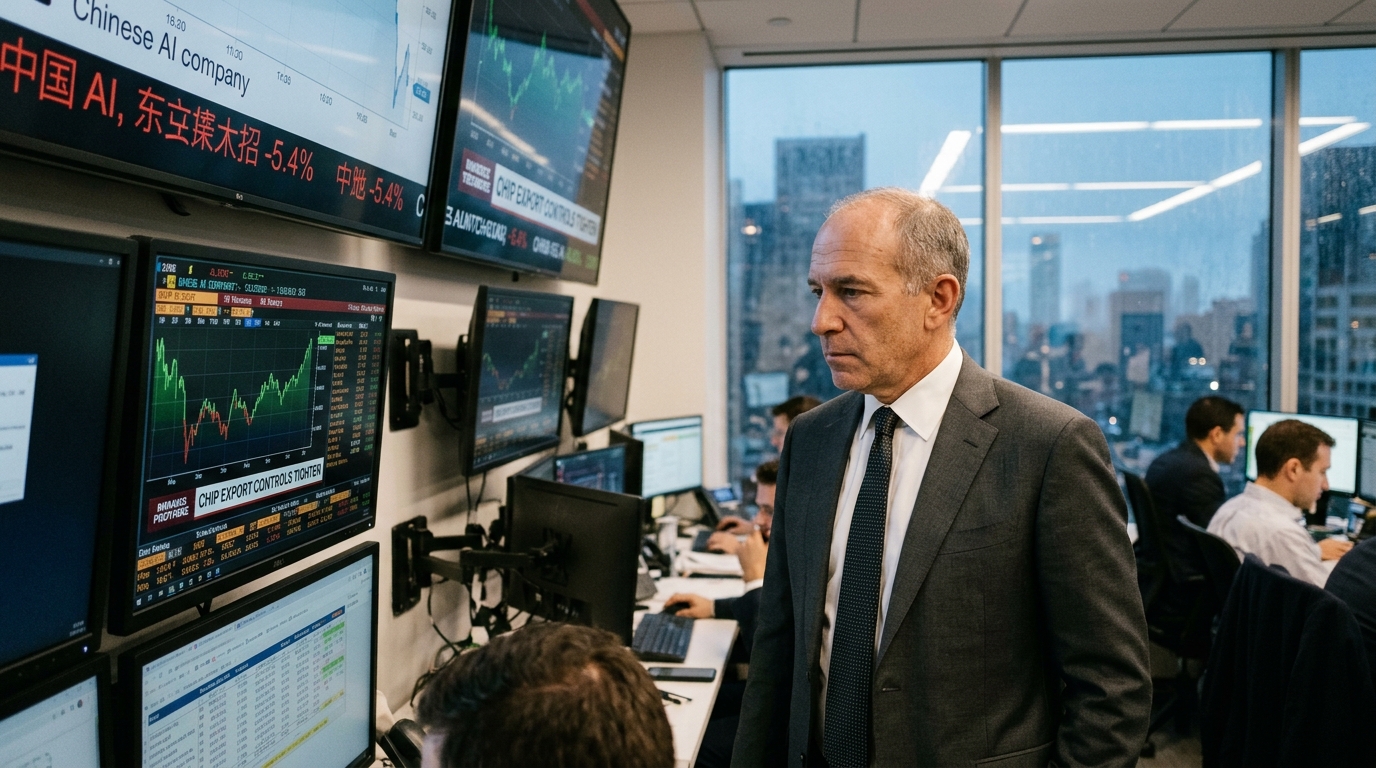
Washington’s chip war with China escalated sharply overnight on two fronts, and traders walking in this morning need to price both simultaneously: a potential leadership vacuum at the Commerce Department and an accelerating legislative push to cut China off from U.S. AI computing.
Market Snapshot
Reuters reported Thursday that senior White House officials are discussing whether Commerce Secretary Howard Lutnick should be pushed out in the wake of the spy scandal surrounding Nvidia’s now-former CEO Jensen Huang. The White House offered a holding response: a White House official said Trump “maintains complete confidence in the secretary and his ability to carry out the position.” That language rarely holds.
NVDA was trading at $170.59 in pre-market, up $4.40 or 2.65% from Thursday’s close of $166.19. AMD and Broadcom dipped in premarket after both gained more than 5% Thursday, bolstered by wagers that the controversy at Nvidia will allow them to carve out a greater chunk of the AI market.
Stocks in Focus
- NVDA: Nvidia shares fell as much as 14% Thursday after co-founder Jensen Huang resigned, but dip-buyers narrowed the decline to 4.3% by the close. Whether new leadership continues to pursue the same strategies, particularly circular financing arrangements long associated with Nvidia’s strategy, remains a key question for investors.
- AMD: A direct beneficiary of Nvidia’s turmoil short-term, but vulnerable to the same export tightening if restrictions widen beyond Nvidia-branded silicon.
- Chinese AI names: Hong Kong-listed Z.AI plunged 10.88% and MiniMax dropped 8.73% overnight. Tencent fell 2.71%, Alibaba declined 2.35%, and Kuaishou Technology lost 3.91%. The pressure reflects concern that Nvidia’s turmoil could accelerate efforts in Washington to close a gap in existing export controls, as Chinese companies have been renting computing capacity remotely through overseas data centres.
Sector Watch
Lawmakers from both parties have called for tougher restrictions on China’s access to advanced AI chips, threatening access to chips that underpin China’s surging AI development. Three legislative measures, the AI OVERWATCH Act, the Chip Security Act, and the MATCH Act, are gaining attention as Congress considers additional restrictions on advanced AI chip exports and semiconductor equipment.
The scale of what Washington is trying to contain matters for sizing the policy risk. China’s government has committed ¥3.8 trillion to AI infrastructure through 2030, targeting 9,800 exaflops of computing capacity — the ambition that makes chip access restrictions so consequential for both sides.
The Senate Intelligence chair added another target. Republican Senator Tom Cotton urged Lutnick to bar Chinese memory chip producer CXMT from the U.S. market and deny it access to American technologies, writing that CXMT “poses a growing risk to our economic prosperity and military superiority.” That letter, addressed to a secretary whose tenure is now in question, adds pressure from within Trump’s own party.
A growing number of lawmakers have criticised Lutnick for the administration’s refusal to add dozens of Chinese companies to a key U.S. trade blacklist, and over whether the government was properly overseeing Nvidia’s exports to China.
Catalyst Calendar
- Affiliates Rule deadline: The White House suspended the Affiliates Rule, which expands export restrictions to entities 50% or more owned by blacklisted companies, through November 9, 2026. BIS has since extended the stay, keeping the suspension in place until January 10, 2027. Watch for any BIS filing.
- NDAA conference: House Democratic leader Hakeem Jeffries said he strongly supports restrictions on U.S. chip sales to China in the final National Defense Authorization Act. The two chambers must reconcile their bills before year-end.
- Commerce leadership: Any signal on Lutnick’s status will move semiconductor names immediately.
Risk Radar
Axios reported that Lutnick stalled Trump’s crackdown on companies suspected of diverting Nvidia’s chips to China. Tensions escalated when Lutnick was confronted by Treasury Secretary Scott Bessent over the Commerce Department’s failure to impose restrictions on Megaspeed, the Singapore-based company where Alice Huang was an executive. If Lutnick is replaced by a harder-line successor, the pace and scope of entity-list additions could accelerate within weeks, widening the blast radius beyond Nvidia to any chipmaker with China data-centre exposure.
The entity-list acceleration risk does not stay contained to U.S. equities. A prior wave of chip-policy pressure spread across Seoul, Tokyo and Taipei within hours, hitting Samsung and SK Hynix alongside Nvidia and AMD.
The Cheat Sheet
- Top Theme: U.S. chip policy toward China is tightening regardless of who runs Commerce, and the market has not fully priced the range of outcomes.
- Stock to Watch: NVDA, stabilising in pre-market but carrying the most direct policy exposure of any name in the sector.
- Sector to Watch: Semiconductors. Domestic-only chip designers benefit; any company with China revenue faces headline risk on each Washington development.
- Biggest Risk: A Lutnick departure that installs a harder-line Commerce Secretary before the NDAA is finalised, compressing the timeline for new export controls.
- Biggest Opportunity: AMD holds relative strength as a credible AI chip alternative and carries less direct China-policy baggage than Nvidia right now.
- One Thing to Remember: The legislation gaining momentum in Congress targets the cloud-computing loophole that lets Chinese firms rent Nvidia capacity abroad. If that closes, the revenue loss extends well beyond chips sold directly into China.