
There is a specific kind of pain that only famous IPOs can inflict. You watch a company debut. You hear the number. You buy the excitement. Then you spend the next sixteen months watching a business that is genuinely growing lose nearly four-fifths of its value anyway.
That is Figma’s story so far.
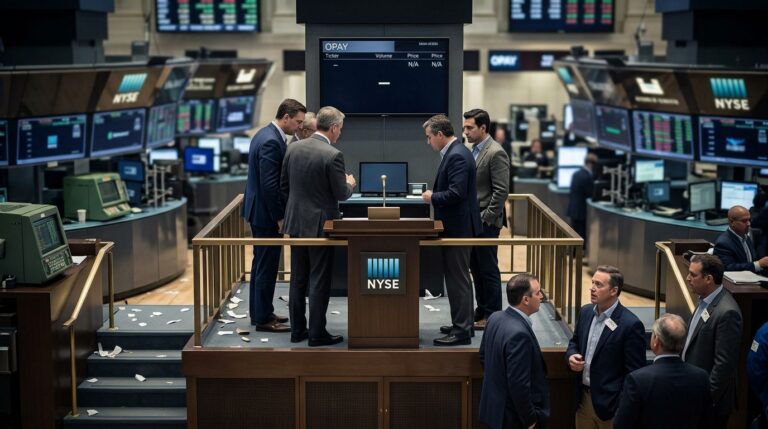
Figma priced its IPO at $33 per share on July 30, 2025. When the stock started trading on the New York Stock Exchange the next day, it closed at $115.50, more than triple the offer price, and Reuters reported that the debut pop briefly valued the company at nearly $68 billion. The stock hit another high of $142.92 per share on its second day of trading. By this afternoon, ahead of Q3 earnings, it traded around $21.03 with a market cap near $11.2 billion.
The business did not blow up. Revenue is growing. Figma has beaten consensus revenue estimates in recent quarters, and the most recent quarter also came in ahead of revenue expectations. Tonight, Wall Street expects Q3 revenue of about $376 million, implying year-over-year growth in the high 30% range. The underlying demand is real. What evaporated was the valuation that had nothing to do with demand.
At its peak, Figma stock traded at an eye-watering sales multiple. Even a business compounding revenue near 40% a year cannot grow into a multiple built on a moment of collective excitement. The IPO day close did not reflect Figma’s earnings power. It reflected how few shares were available to a crowd that badly wanted in.
The competitive pressure is real, too, though perhaps less existential than the valuation reset implies. At Canva Create in April 2026, Canva announced Canva AI 2.0 and framed the company’s shift as moving toward a more conversational, agentic creation platform, powered by what it calls the Canva Design Model, a foundation model built to understand design structure and hierarchy. That framing rattled investors already looking for reasons to cut targets. Adobe and Figma are also expanding their own AI offerings, intensifying the competitive landscape. But the product reality is more nuanced: Figma’s AI features are oriented around product and UX teams working inside component libraries, design systems, and developer handoff workflows, and for a product team shipping a design system across web and mobile, Figma remains the tool that fits their existing workflow.
The lesson for allocators is not that Figma is a bad business. It is that price paid is the most consequential decision in investing, and IPO day prices are set by scarcity and sentiment, not by business quality. Before pricing, Bloomberg News and TechCrunch reported that demand for Figma’s offering was approaching 40 times the shares available. That condition guarantees a pop. It guarantees nothing about where the stock settles once lockups expire and the crowd disperses.
Which brings us to Anthropic. In its S-1, Anthropic said it intends to list on the Nasdaq Global Select Market under the symbol ANT, and Reuters has reported that some investors have discussed an IPO valuation around $1.5 trillion. Other media reports have cited a range that could reach $2 trillion. Reports from the Wall Street Journal and Reuters suggest a debut as soon as the week of November 16. The company’s technology is transformational. Its revenue growth has been extraordinary. None of that answers the only question that matters for the allocator sitting at the open on listing day: at what price does quality become too expensive to own?
Figma’s Q3 report tonight will almost certainly show another beat. The stock may even rally. But the fuller lesson from the last sixteen months is that buying a celebrated company at the price the crowd sets on day one is not investing. It is speculation dressed in the language of conviction. The mogul’s edge has always been the same: knowing the difference.