September 21, 2026
Bonus Content: Six Auto Trade Groups Told Trump to Keep BYD Out. He Said He’d Be Fine With It.
Wall Street veteran goes ALL in on Bank of Elon

A 20-year Wall Street veteran – who worked at a $10 billion hedge fund – is putting ALL his money in Elon Musk’s new bank. He says he can see the writing on the wall for traditional banks. And he’s not the only one. See if you should join him here (not just for the 6% yield).
Six Auto Trade Groups Told Trump to Keep BYD Out. He Said He’d Be Fine With It.
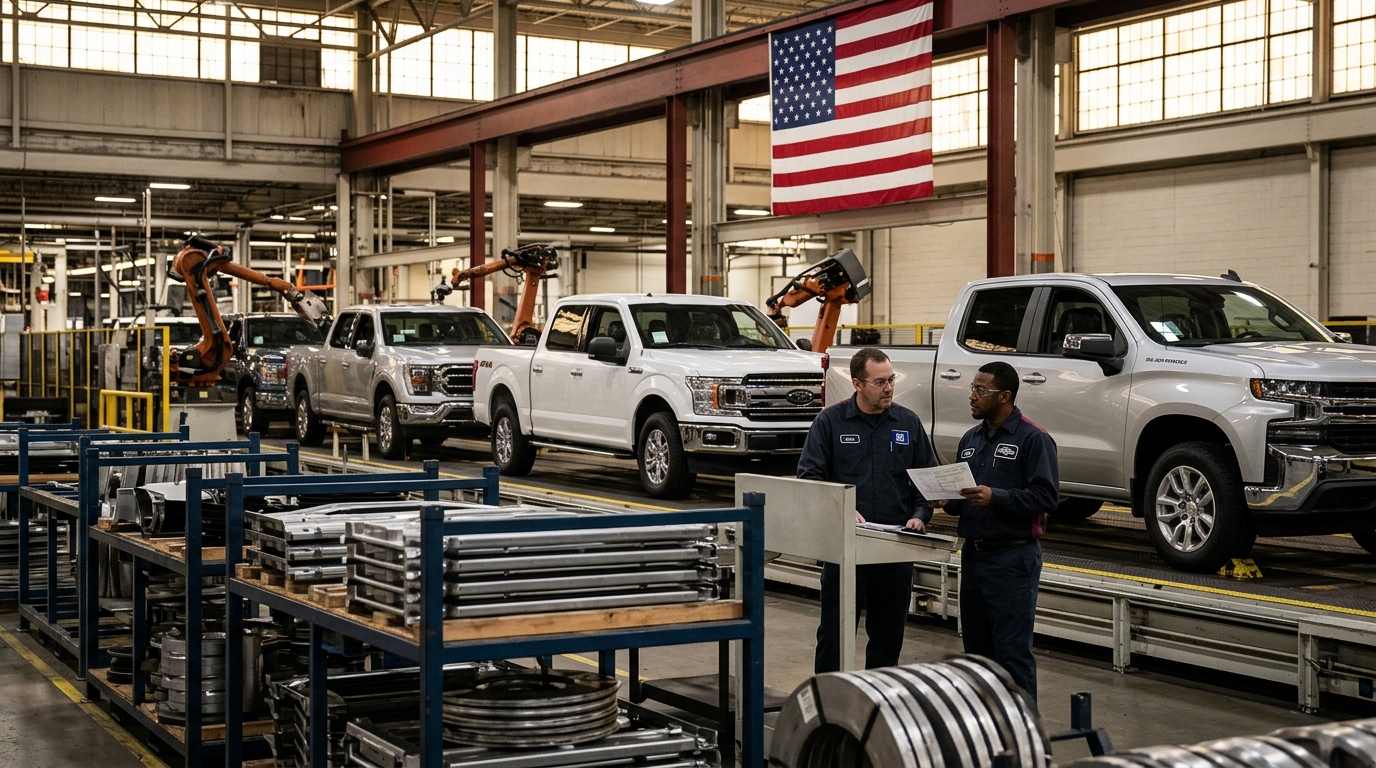
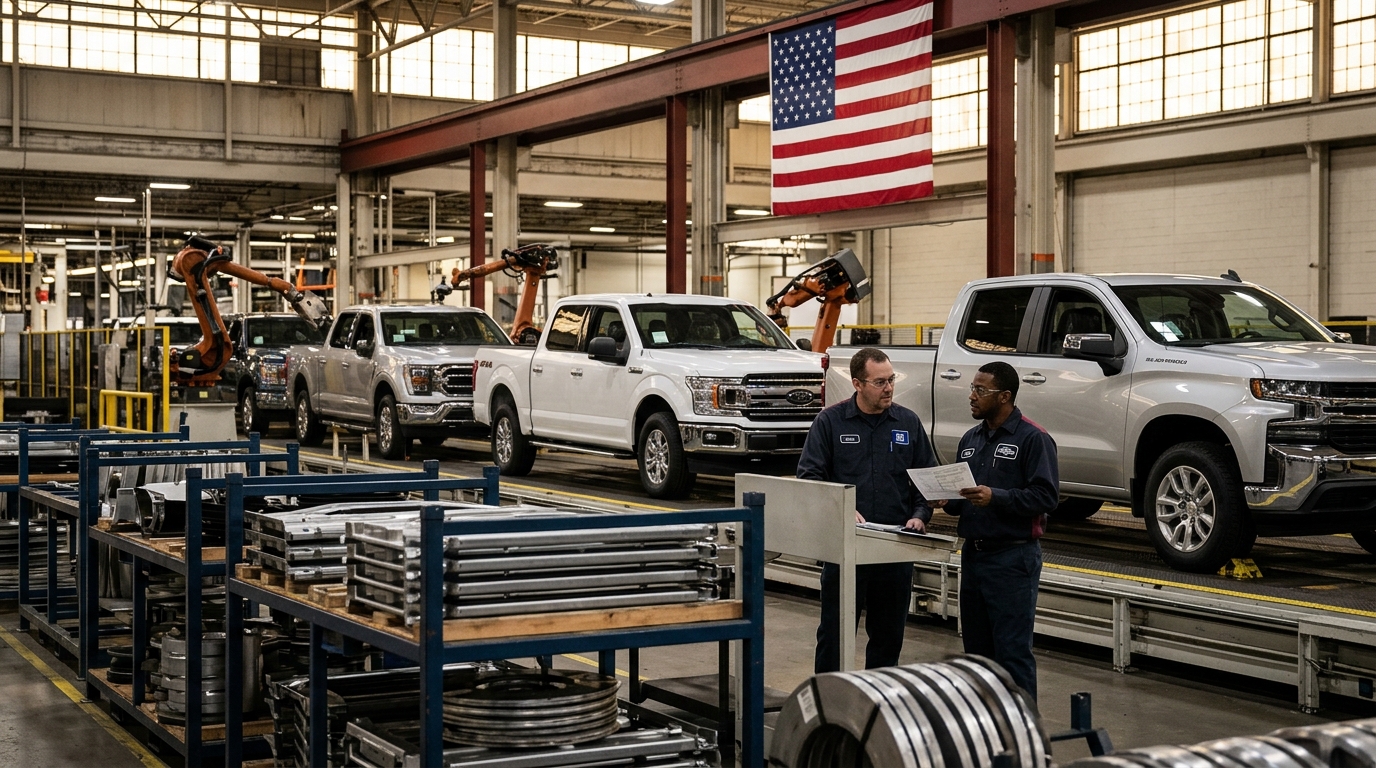
Watch this one closely heading into Wednesday. Some worry that allowing Chinese automakers to operate in the United States could be on the agenda when Chinese President Xi Jinping visits the White House on September 24. That concern, not some abstract policy debate, is what drove six of the industry’s biggest trade associations to send a joint letter to President Trump on September 17, days after he told Fox News he was comfortable with the idea.
Trump remarked on Fox News: “If China wanted to come in and open a plant to build their cars here, I’d be OK with it.” The industry’s response was direct. “We urge your administration to maintain policies that keep the door firmly shut to Chinese automakers seeking to sell, import or manufacture vehicles inside the U.S.,” said the letter, signed by six groups representing automakers, dealers, suppliers and EV interests whose members include General Motors, Toyota, Volkswagen, Ford, Hyundai, Stellantis, Tesla and others.
Leaders from BYD could be part of a business delegation accompanying Xi on his trip, Bloomberg reported, with BYD, battery giant CATL and Gotion among the companies under consideration according to Reuters. In June, BYD was added to the Pentagon’s Section 1260H list of Chinese military companies over alleged links to the People’s Liberation Army. BYD denies the designation has a basis.
What the Industry Argued
“Chinese automakers have zero market share in the U.S. Allowing them to open a domestic facility would provide a foothold in the U.S. market at the expense of manufacturers operating here. That would not create new American manufacturing jobs,” the groups wrote. The coalition also outlined security risks and economic threats posed by subsidized Chinese automobiles and connected vehicle technology.
The existing wall is real but fragile. Federal rules that took effect in March 2025 restrict the import and sale of connected vehicles and key connected-vehicle software and hardware tied to China or Russia, and current tariffs on imported Chinese electric vehicles total more than 100%. A presidential handshake deal on September 24 would not automatically dissolve those rules, but it would signal the direction of travel clearly enough to move stocks.
Why GM and Ford Are the Trades to Watch
The stakes differ by company. Transportation Secretary Sean Duffy wrote to Ford CEO Jim Farley on September 8 raising “profound concern” about Ford’s ties with Chinese firms including CATL and Geely, pointing in part to the Marshall, Michigan battery project that uses technology licensed from CATL. Ford is caught between a regulatory squeeze on its existing Chinese technology partnerships and the prospect of BYD landing on its home turf.
GM has no CATL entanglement but faces the same competitive threat. Chinese automakers accounted for about 25% of global vehicle market share in 2025, just behind Japan’s 26%, up from about 14% in 2020, according to the Center for Automotive Research. Any signal from the summit that BYD could manufacture stateside would expand that share pressure into a market that is currently closed.
BYDDY trades over the counter in the U.S. and tends to gap on summit headlines. Stellantis and supplier names like Aptiv, Lear and Magna carry indirect exposure: a Chinese OEM with U.S. production would rebuild its supply chain from scratch, largely bypassing incumbents.
The Key Question Into Wednesday
Michigan Democratic Senator Elissa Slotkin said that if BYD appeared in Xi’s delegation, “we can only assume there are deals afoot to allow Chinese cars to be imported, or Chinese companies are being invited to set up shop in the U.S.” She also questioned why the White House was not flatly ruling the option out.
That silence is the signal. If Wednesday’s summit package includes any reference to a BYD manufacturing arrangement, expect Ford and GM to open sharply lower while BYDDY moves in the opposite direction. If the White House holds the existing policy line, the trade groups win this round and domestic automakers catch a relief bid. The letter sets up a clean binary for the week.