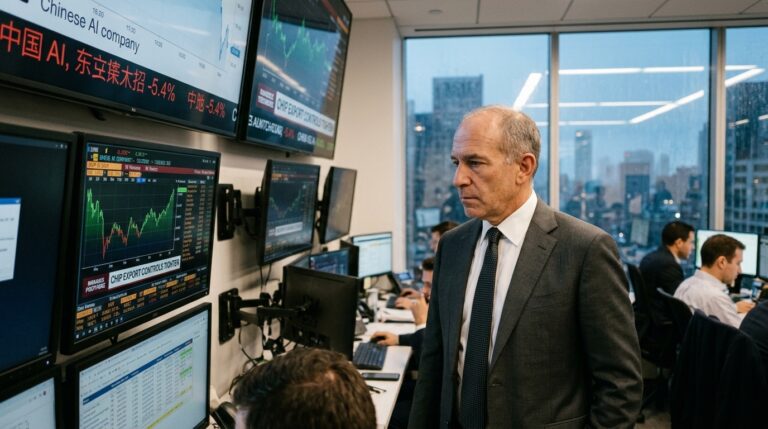
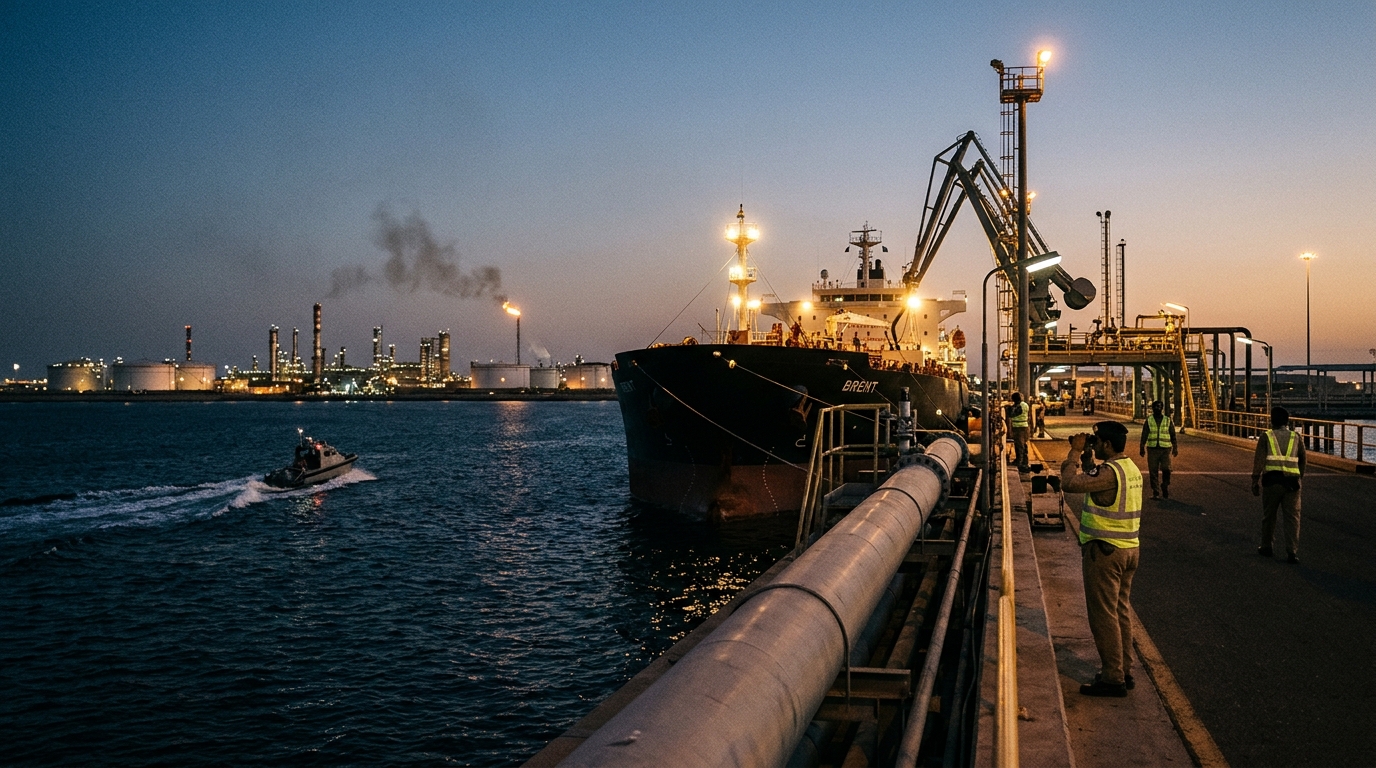
Brent settled at $95.82 on Thursday, up 3.3% on the session, and held above $95 again Friday morning. That single day erased most of the losses from one of the sharpest weekly drops oil has seen in years. As recently as Monday, Brent was dipping below $90 for the first time since late August as markets priced in diplomatic progress. By Thursday evening, that entire de-escalation premium had been wiped out and replaced with something more combustible.
What Moved the Market
Two catalysts hit in rapid succession. Trump said the US did not need a deal with Iran, the Houthis claimed attacks on Saudi oil facilities, and Iran’s military reported explosions on four tankers in the Strait of Hormuz. The Truth Social post was the pivot. For weeks, back-channel diplomacy had been the dominant read. Trump then instructed Vice President JD Vance to focus on domestic priorities rather than diplomatic discussions with Tehran, dealing another setback to efforts to revive those negotiations.
On the infrastructure side, the Houthi claims targeted specifically what Saudi Arabia cannot afford to lose right now. The Houthis named three Saudi targets, including a pumping station on the East-West pipeline, the route Saudi Arabia uses to send crude to the Red Sea port of Yanbu without passing through Hormuz. Saudi Arabia has long used that pipeline to bypass the Strait of Hormuz, and it has been a key contingency route during periods of heightened risk in the strait. Hitting the bypass route is a materially different threat than hitting Hormuz-bound tankers.
The Goldman Scenario That Now Has a Date
Goldman Sachs raised its oil price forecasts due to elevated supply risks and said Brent could rise to $140 a barrel in 2027 if Gulf oil output stays 3.5 million barrels per day below its 2025 average. That is their upside stress case, not their base case. Goldman’s base case has Brent averaging $88 a barrel next year, assuming oil supplies steadily rise. The gap between $88 and $140 is entirely a function of whether Thursday’s events prove to be a one-day shock or the start of a sustained supply disruption.
Goldman flagged that intensified shipping attacks, damage to oil infrastructure, and a more persistent risk premium remain the key triggers of potential upside. Thursday checked all three boxes simultaneously.
Stocks to Watch
Oil and gas refining stocks have been among the strongest performers in 2026, helped by conflict-driven disruptions and tight product markets. VLO and MPC both more than doubled year to date heading into this week. A crude spike of this magnitude has two effects on refiners: it lifts product prices, which benefits margins, but it also raises input costs. The net effect on crack spreads depends on whether diesel and gasoline futures follow crude higher or lag.
Valero has a heavy crude advantage, and its Gulf Coast refineries can source from multiple origins including the US, Canada, and Venezuela, which matters when Middle Eastern grades get priced at a premium. Marathon, meanwhile, runs one of the largest domestic refining networks, with Gulf Coast and midcontinent assets that use WTI-linked crude as the primary feedstock, making it among the most directly leveraged plays on a spread move.
Refiner margins face a second pressure point beyond crude input costs. Proposed diesel export restrictions and an energy ceasefire signal compress crack spreads from both ends simultaneously.
What to Watch Friday
Oil benchmarks are still set for a second straight weekly decline, roughly 2.4% for Brent and 2.5% for WTI, after the heavy drops earlier in the week. That means Thursday’s rally has not yet fully reversed the week’s damage. The key question for Friday: does the Yanbu claim get verified or walked back? Saudi Aramco has not confirmed infrastructure damage. Unverified Houthi claims have moved oil before and then faded. If verification comes, the geopolitical risk premium has room to widen further. If Saudi denies material damage, Brent could give back a portion of Thursday’s gains before the close.
The Yanbu verification question is not new territory for oil traders. The East-West pipeline shutdown showed how quickly a confirmed Saudi export disruption reprices the entire crude market.
For traders: the range to watch is the Monday low near $90 on the downside, and $98 on the upside. The spread between those two numbers is where this week’s entire geopolitical argument lives.